Introduction
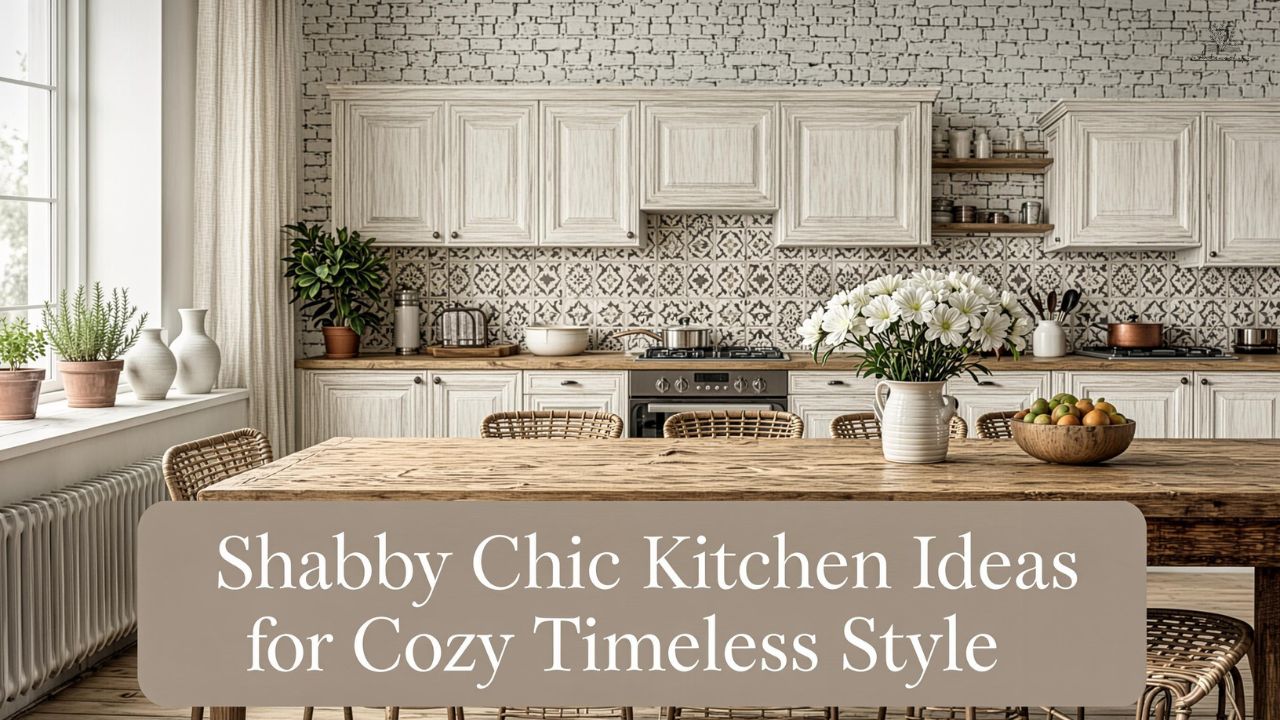
There’s something irresistibly comforting about a kitchen that feels lived-in, loved, and full of character. A shabby chic kitchen captures that feeling perfectly with its soft colors, vintage accents, distressed finishes, and welcoming atmosphere. It’s the kind of space where fresh flowers sit on worn wooden tables and every detail tells a quiet story.
Unlike sleek ultra-modern kitchens that can sometimes feel cold or overly polished, shabby chic spaces embrace imperfections. In reality, that relaxed charm is exactly why so many homeowners continue falling in love with this timeless decorating style.
Over the years, shabby chic design has evolved far beyond floral overload and antique overload. Today’s kitchens blend rustic warmth with elegant simplicity, creating spaces that feel both stylish and deeply personal.
Whether you’re remodeling an entire kitchen or simply adding a few vintage-inspired touches, understanding the key elements of this design style can help you create a home that feels warm, inviting, and beautifully timeless.
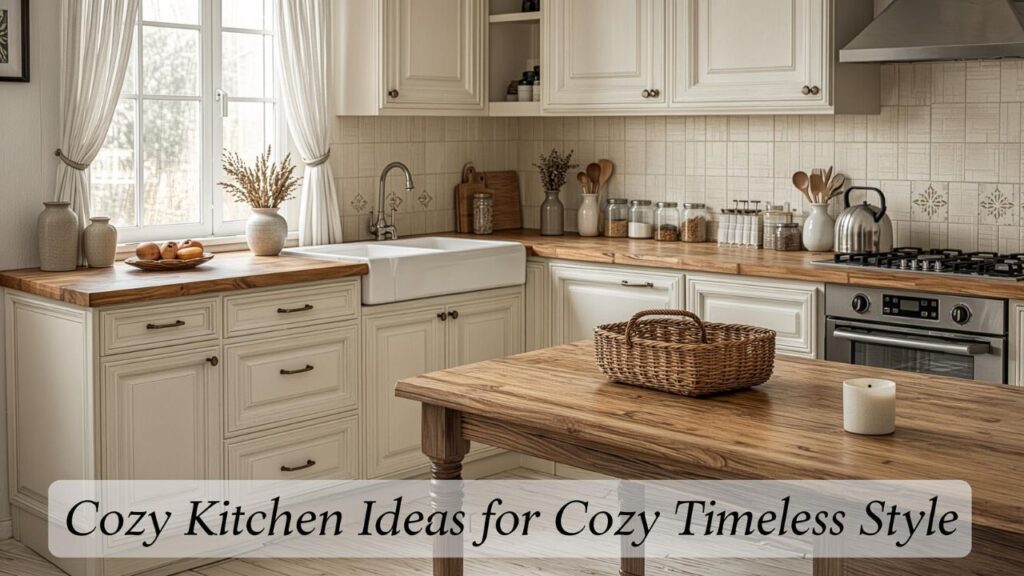
Table of Contents
- What Is a Shabby Chic Kitchen?
- Why This Design Style Remains Popular
- Essential Elements of Shabby Chic Kitchens
- Best Color Palettes for Vintage Charm
- Choosing the Right Cabinets and Furniture
- Countertops, Flooring, and Backsplash Ideas
- Lighting Ideas for Cozy Kitchens
- Decorating With Vintage Accessories
- Modern Shabby Chic Kitchen Trends
- Budget-Friendly Decorating Tips
- Common Mistakes to Avoid
- Small Shabby Chic Kitchen Ideas
- Sustainable and Repurposed Design Trends
- Real-Life Kitchen Inspirations
- FAQs
- Conclusion
What Is a Shabby Chic Kitchen?
A shabby chic kitchen combines vintage-inspired decor, distressed finishes, soft colors, rustic textures, and elegant details to create a warm and romantic atmosphere.
The style originally gained popularity during the late 1980s and 1990s through interior designer Rachel Ashwell, who embraced the beauty of aged furniture and relaxed elegance.
Today’s shabby chic kitchens typically feature:
- Distressed cabinetry
- Antique-inspired decor
- Soft neutral palettes
- Floral accents
- Rustic wood textures
- Vintage lighting
The Difference Between Shabby Chic and Farmhouse Style
People often confuse shabby chic with farmhouse design.
While both styles value warmth and rustic elements, shabby chic interiors lean more romantic and vintage-inspired.
Farmhouse kitchens often emphasize:
- Simplicity
- Utility
- Industrial accents
Meanwhile, shabby chic spaces focus more on softness, elegance, and decorative layering.
Why Imperfection Is Part of the Charm
One reason this style feels emotionally comforting is because it embraces imperfections.
Distressed finishes, aged woods, and vintage furniture create a sense of history that perfectly polished kitchens sometimes lack.
That lived-in feeling makes the space feel authentic and welcoming.
Why This Design Style Remains Popular
Design trends come and go, yet shabby chic interiors continue evolving instead of disappearing.
Emotional Warmth Matters
Homeowners increasingly crave spaces that feel cozy rather than sterile.
A shabby chic kitchen naturally creates:
- Warmth
- Nostalgia
- Comfort
- Relaxation
That emotional appeal remains powerful.
Vintage Decor Feels Sustainable
More homeowners now prioritize sustainable decorating.
Repurposing antique furniture and vintage accessories reduces waste while adding character.
Instead of buying disposable mass-produced pieces, people are restoring older furniture with craftsmanship and history.
Social Media Revived Cottagecore Aesthetics
Platforms like Pinterest and Instagram helped revive interest in romantic cottage-inspired interiors.
Soft kitchens filled with:
- Linen fabrics
- Open shelving
- Antique details
- Fresh flowers
Have become especially popular online.
Essential Elements of Shabby Chic Kitchens
Creating this style successfully requires balancing softness, texture, and vintage charm.
Distressed Cabinetry
Distressed paint finishes remain one of the defining features.
Popular finishes include:
- Soft white
- Cream
- Sage green
- Pale blue
- Dusty gray
Light sanding along edges creates aged character.
Open Shelving Displays
Open shelves help showcase decorative pieces.
Popular styling elements include:
- Vintage dishware
- Ceramic pitchers
- Glass jars
- Antique teacups
- Woven baskets
The display should feel curated rather than cluttered.
Rustic Wood Accents
Natural wood softens painted finishes beautifully.
Common wood features include:
- Farmhouse tables
- Floating shelves
- Exposed beams
- Butcher block counters
The contrast between weathered wood and soft paint creates warmth.
Layered Textures
Texture prevents the room from feeling flat.
Popular combinations include:
| Texture Type | Common Materials |
|---|---|
| Soft textures | Linen, cotton, lace |
| Rustic textures | Reclaimed wood, wicker |
| Elegant textures | Crystal, ceramic, brass |
| Natural textures | Stone, greenery, woven fibers |
Best Color Palettes for Vintage Charm
Color defines the mood of shabby chic interiors.
Soft Neutral Foundations
Most shabby chic kitchens rely on calming neutrals.
Popular shades include:
- Warm white
- Ivory
- Cream
- Beige
- Pale gray
These tones create brightness while preserving softness.
Pastel Accent Colors
Muted pastel tones add romantic character.
Popular choices include:
- Dusty rose
- Sage green
- Powder blue
- Lavender
- Pale mint
These colors feel vintage without overwhelming the space.
Monochromatic Vintage Elegance
Some homeowners prefer nearly all-white kitchens layered with subtle texture.
This creates:
- Airy openness
- Timeless elegance
- Calm atmosphere
Careful layering keeps the room from feeling sterile.
Choosing the Right Cabinets and Furniture
Furniture selection dramatically shapes the room’s personality.
Vintage-Style Cabinets
Cabinets often feature:
- Beadboard details
- Glass-front doors
- Distressed finishes
- Antique-style hardware
These details create old-world charm.
Farmhouse Tables and Seating
A large farmhouse table naturally becomes the emotional center of the kitchen.
Popular seating styles include:
- Slipcovered chairs
- Bentwood chairs
- Painted stools
- Upholstered benches
Comfort matters just as much as appearance.
Repurposed Furniture Pieces
Many shabby chic kitchens incorporate repurposed furniture.
Examples include:
- Antique hutches
- Vintage buffets
- Old dressers converted into islands
- Refinished cabinets
These additions make the space feel collected over time.
Countertops, Flooring, and Backsplash Ideas
Surfaces contribute heavily to the kitchen’s atmosphere.
Marble and Butcher Block Countertops
Popular countertop options include:
- White marble
- Quartz with subtle veining
- Butcher block wood
- Soapstone
These materials complement vintage aesthetics beautifully.
Rustic Wood Flooring
Wood floors create warmth and timeless appeal.
Distressed or wide-plank finishes work especially well.
Subway Tile Backsplashes
Classic subway tile remains incredibly popular because it feels both vintage and versatile.
Many homeowners choose:
- White glossy tile
- Handmade ceramic finishes
- Crackle glaze textures
Patterned Tile Accents
Some kitchens incorporate patterned tile behind stoves or sinks.
These details add personality without overwhelming the room.
Lighting Ideas for Cozy Kitchens
Lighting dramatically affects mood.
Vintage Pendant Lights
Popular lighting styles include:
- Lantern pendants
- Crystal chandeliers
- Schoolhouse fixtures
- Brass sconces
These create soft elegance.
Layered Warm Lighting
The coziest kitchens rarely rely on one overhead light.
Designers often layer:
- Pendant lighting
- Under-cabinet lighting
- Table lamps
- Candles
This creates warmth and dimension.
Natural Light Enhancements
Natural light enhances every shabby chic detail.
Simple linen curtains allow sunlight to soften the room beautifully.
Decorating With Vintage Accessories
Accessories help personalize the space.
Antique Kitchenware Displays
Popular decorative pieces include:
- Enamel pitchers
- Vintage scales
- Mason jars
- Copper cookware
- Floral china
These details create nostalgic charm.
Fresh Flowers and Greenery
Flowers instantly soften kitchens.
Popular choices include:
- Hydrangeas
- Lavender
- Roses
- Eucalyptus
Fresh greenery adds life and color.
Linen and Fabric Details
Textiles create softness.
Popular additions include:
- Ruffled curtains
- Linen runners
- Floral cushions
- Crochet accents
However, moderation prevents the room from feeling overly themed.
shabby chic kitchen interiors feel most successful when decorative details appear layered naturally rather than overly staged.
Modern Shabby Chic Kitchen Trends
The style continues evolving in more sophisticated ways.
Mixing Modern and Vintage Elements
Today’s interiors often blend:
- Modern appliances
- Vintage decor
- Minimalist layouts
- Rustic textures
This balance keeps kitchens functional while preserving charm.
Black Accents for Contrast
Some designers now incorporate:
- Black faucets
- Matte black lighting
- Dark hardware
These additions modernize softer palettes.
Cleaner Styling Approaches
Earlier shabby chic interiors sometimes felt overly decorative.
Modern interpretations use more restraint, emphasizing:
- Simplicity
- Open space
- Thoughtful layering
This creates a fresher appearance.
Budget-Friendly Decorating Tips
Beautiful kitchens don’t always require expensive renovations.
Paint Existing Cabinets
Painting cabinets remains one of the most affordable transformations.
Distressed finishes add instant vintage character.
Shop Antique Markets and Thrift Stores
Vintage finds often cost far less than designer decor.
Look for:
- Old mirrors
- Wooden chairs
- Ceramic dishes
- Brass fixtures
- Rustic shelving
Replace Hardware and Lighting
Small upgrades create surprisingly large impact.
Antique-style hardware and vintage lighting instantly shift the kitchen aesthetic.
Use Open Shelving Creatively
Replacing some upper cabinets with open shelving can make kitchens feel:
- Lighter
- More spacious
- More personalized
Common Mistakes to Avoid
Balancing charm and functionality matters enormously.
Overdecorating the Space
Too many floral prints and decorative accessories can make kitchens feel cluttered.
Editing carefully keeps the room elegant.
Ignoring Functionality
A beautiful kitchen still needs practical storage and efficient workflow.
Function should never be sacrificed completely for aesthetics.
Using Too Many Pastels
Soft colors work beautifully when balanced.
Too many competing pastel shades can feel overwhelming.
Buying Cheap Distressed Furniture
Poor-quality faux distressing often looks artificial.
Authentic vintage pieces or thoughtfully refinished furniture typically look far better.
Small Shabby Chic Kitchen Ideas
Smaller kitchens can still feel charming and spacious.
Keep the Palette Light
White and cream tones help small spaces feel larger.
Use Mirrors Strategically
Vintage mirrors reflect both light and visual depth.
This makes compact kitchens feel more open.
Choose Compact Furniture
Smaller farmhouse tables and slim-profile seating preserve movement.
Add Vertical Storage
Open shelves and hanging racks maximize wall space efficiently.
Sustainable and Repurposed Design Trends
Sustainability now strongly influences interior design.
Reclaimed Wood Features
Reclaimed wood adds:
- Character
- Texture
- Environmental friendliness
Popular uses include:
- Shelving
- Islands
- Ceiling beams
- Flooring
Vintage Furniture Restoration
Refinishing old furniture reduces waste while preserving craftsmanship.
Many older furniture pieces feature better materials than modern mass-produced alternatives.
Eco-Friendly Materials
Homeowners increasingly prioritize:
- Non-toxic paint
- Organic fabrics
- Sustainable wood
- Energy-efficient lighting
These choices support healthier homes.
Real-Life Kitchen Inspirations
Real homes often provide the best decorating ideas.
French Country Influence
French-inspired kitchens often combine:
- Soft creams
- Ornate chandeliers
- Antique cabinets
- Marble countertops
The atmosphere feels elegant yet relaxed.
Cottage-Style Kitchens
Cottage kitchens embrace:
- Floral fabrics
- Painted furniture
- Open shelving
- Vintage accessories
These spaces feel deeply comforting.
Modern Rustic Blends
Many modern homeowners mix:
- Minimalist layouts
- Rustic textures
- Vintage lighting
- Contemporary appliances
This creates balance between charm and practicality.
Romantic White Kitchens
All-white kitchens layered with texture remain especially timeless.
The combination of:
- Linen fabrics
- Wooden accents
- Soft lighting
- Ceramic decor
Creates serene beauty.
shabby chic kitchen designs continue evolving because they offer something many modern spaces lack — emotional warmth, individuality, and timeless comfort.
FAQ
What is a shabby chic kitchen?
A shabby chic kitchen combines vintage-inspired decor, distressed finishes, soft colors, and rustic textures to create a warm and romantic atmosphere.
What colors work best in shabby chic kitchens?
Soft neutrals like white, cream, beige, sage green, and dusty pastel tones work beautifully.
Is shabby chic still popular in 2026?
Yes. Modern shabby chic interiors remain popular because homeowners increasingly value warmth, comfort, and vintage character.
Can shabby chic kitchens look modern?
Absolutely. Many modern interpretations blend vintage decor with sleek appliances and cleaner layouts.
What flooring works best for shabby chic kitchens?
Distressed wood floors, wide-plank flooring, and rustic finishes complement the style especially well.
How can I decorate a shabby chic kitchen on a budget?
Painting cabinets, shopping secondhand, replacing hardware, and using open shelving can dramatically transform the space affordably.
What lighting works best in shabby chic kitchens?
Vintage-inspired pendants, chandeliers, warm layered lighting, and natural daylight all enhance the cozy atmosphere.
How do I prevent shabby chic decor from looking cluttered?
Focus on thoughtful layering, limited color palettes, and carefully edited accessories.
What’s the difference between farmhouse and shabby chic style?
Farmhouse style emphasizes practicality and simplicity, while shabby chic design feels softer, more romantic, and more vintage-inspired.
Conclusion
A kitchen should feel more than functional. It should feel comforting, welcoming, and deeply personal. That’s exactly why shabby chic interiors continue resonating with homeowners who crave warmth and authenticity rather than perfectly polished perfection.
From distressed cabinets and vintage lighting to soft linens and weathered wood textures, this design style creates spaces filled with charm and emotional connection. It celebrates imperfection in a way that feels relaxed, timeless, and effortlessly beautiful.
As modern homes increasingly prioritize comfort, sustainability, and individuality, shabby chic kitchens remain one of the most enduring ways to create a home that feels genuinely lived in and loved. Whether you embrace subtle vintage touches or fully commit to romantic cottage-inspired decor, the result can become a kitchen that feels cozy, elegant, and unforgettable every single day.