Article
A beautiful kitchen does not always require a full renovation. Sometimes, the biggest difference comes from the way you style the surfaces you already use every day. Thoughtful kitchen counter decor can make your kitchen feel warmer, cleaner, more personal, and more finished without sacrificing the space you need for cooking.
The challenge is balance. Counters are working surfaces, not display shelves. Too much decor can make even a large kitchen feel cluttered, while too little can make the room feel plain or unfinished.
This guide will help you decorate your kitchen counters in a way that looks intentional, fits your lifestyle, and still leaves room for chopping vegetables, making coffee, packing lunches, and cleaning up quickly.
What Is Kitchen Counter Decor?
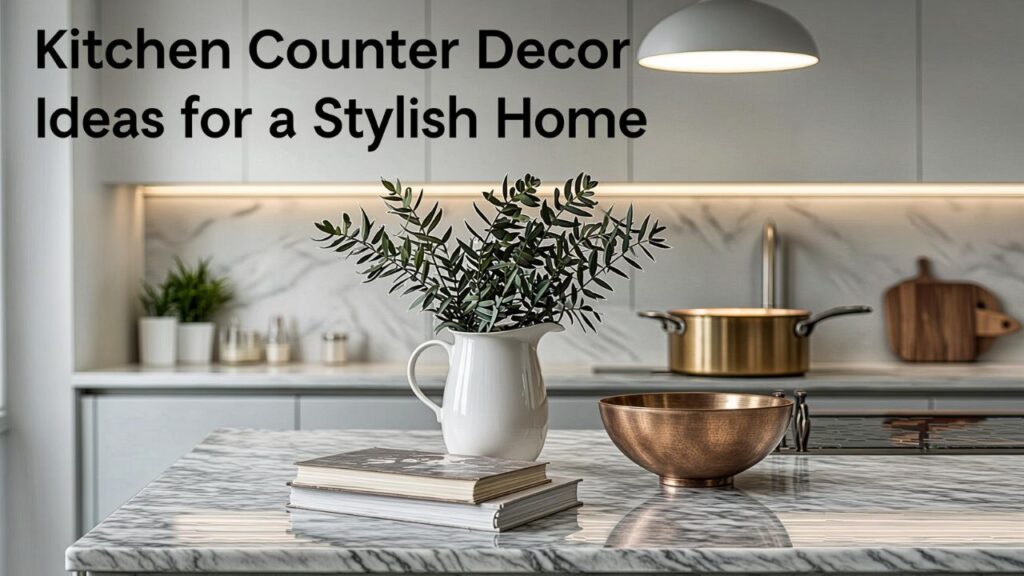
Kitchen counter decor refers to the decorative and functional items placed on your countertops to improve the look, feel, and usability of the kitchen. This can include everyday pieces like a utensil crock, cutting board, fruit bowl, coffee station, plant, tray, lamp, candle, cookbook stand, or decorative bowl.
Good counter styling is not about filling every empty space. It is about choosing a few useful and attractive pieces that support how you live.
For example, a busy family kitchen might need a practical coffee setup, a fruit bowl for quick snacks, and a tray for oils and seasonings near the stove. A minimalist apartment kitchen might look best with one small plant, a sleek soap dispenser, and a wooden cutting board leaning against the backsplash.
The goal is to make the kitchen feel lived-in, polished, and easy to use.
Why Kitchen Counter Styling Matters
Kitchen counters are one of the most visible parts of the home. In many American homes, the kitchen opens into the dining room, breakfast nook, or living area, which means countertops often affect the overall feel of the entire main floor.
Well-planned counter styling can:
- Make your kitchen feel more welcoming
- Add warmth to white, gray, or neutral kitchens
- Create visual interest without remodeling
- Keep everyday essentials within reach
- Reduce clutter by giving items a clear place
- Help your kitchen feel more personal
- Make cleaning and resetting the space easier
Decor also helps soften hard materials. Kitchens often contain stone, tile, metal, glass, and appliances. Adding wood, ceramic, linen, greenery, or woven textures can make the space feel more comfortable and balanced.
Start With Function Before Decoration
Before buying anything new, look at how your kitchen actually works. A stylish counter that interrupts your daily routine will quickly become frustrating.
Ask yourself:
- Where do you prep food most often?
- Which appliances do you use daily?
- Do you make coffee or tea every morning?
- Do you cook often, or is the kitchen mostly for light meals?
- Do you need kid-friendly access to fruit, snacks, or cups?
- Which items always end up on the counter?
- What makes cleaning harder?
Your answers should guide your decor choices.
If you cook every night, you may want oil, salt, pepper, utensils, and cutting boards close to the stove and prep area. If you mostly use the kitchen for coffee, breakfast, and takeout, a styled beverage station may matter more than a cooking zone.
The best counter decor supports your habits instead of fighting them.
The Golden Rule: Leave Breathing Room
One of the most common mistakes in kitchen styling is decorating every section of counter. Empty space is not wasted space. It gives the eye a place to rest and gives you room to work.
As a general rule, keep at least one main stretch of counter mostly clear. This could be the island, the area beside the sink, or the section where you prep food.
A simple approach is to decorate in small zones:
- One zone near the stove
- One zone near the sink
- One zone near the coffee maker
- One decorative moment on the island or peninsula
Not every kitchen needs all four. In a small kitchen, one or two well-styled areas are usually enough.
Best Kitchen Counter Decor Ideas for Every Style
The most effective decor pieces are both attractive and useful. Here are practical ideas that work in many kitchen styles, from modern and traditional to farmhouse, coastal, transitional, and small-space kitchens.
1. Use a Tray to Group Everyday Items
A tray is one of the easiest ways to make counter items look intentional. Instead of having soap, lotion, oils, spices, or coffee supplies scattered across the counter, a tray visually gathers them into one neat arrangement.
A tray can work well for:
- Olive oil, salt, pepper, and seasonings
- Soap, hand lotion, and a small brush near the sink
- Coffee syrups, sugar, spoons, and mugs
- A candle, small vase, and decorative object
- Tea bags, honey, and a small canister
Choose the tray material based on your kitchen style. Wood adds warmth, marble feels elegant, metal looks modern, and woven trays add texture.
The main benefit is simple: when it is time to wipe the counter, you can lift one tray instead of moving five separate items.
2. Lean Cutting Boards Against the Backsplash
Cutting boards are useful, affordable, and naturally decorative. A wood cutting board can warm up a white kitchen, while a marble or stone board can add polish to a modern space.
Try leaning one or two boards against the backsplash behind the counter. Vary the size and shape for a layered look. A round board behind a rectangular board often creates a relaxed, designer-style arrangement.
This idea works especially well near:
- The stove
- A coffee station
- Open shelving
- A corner counter
- A blank backsplash area
Keep boards clean and dry, especially if they are used for food prep. Decorative boards that are not used daily can stay on display, while working boards should be washed and stored properly after use.
3. Add a Bowl of Fresh Fruit
A fruit bowl is classic because it is both beautiful and useful. Lemons, apples, oranges, pears, bananas, and seasonal fruit can bring natural color to the kitchen.
For a clean look, choose one type of fruit at a time. A bowl of lemons feels fresh and bright. Green apples look crisp and simple. Oranges add warmth. Mixed fruit can look casual and family-friendly.
Good bowl choices include:
- Ceramic bowls for a handmade feel
- Wood bowls for warmth
- Glass bowls for a lighter look
- Woven bowls for texture
- Metal bowls for a modern kitchen
Avoid oversized fruit displays unless you have a large island or big countertop. In smaller kitchens, a compact bowl is more practical.
4. Style a Coffee or Tea Station
A coffee station is one of the most useful counter decor ideas because it supports a daily routine. The key is to keep it edited, not crowded.
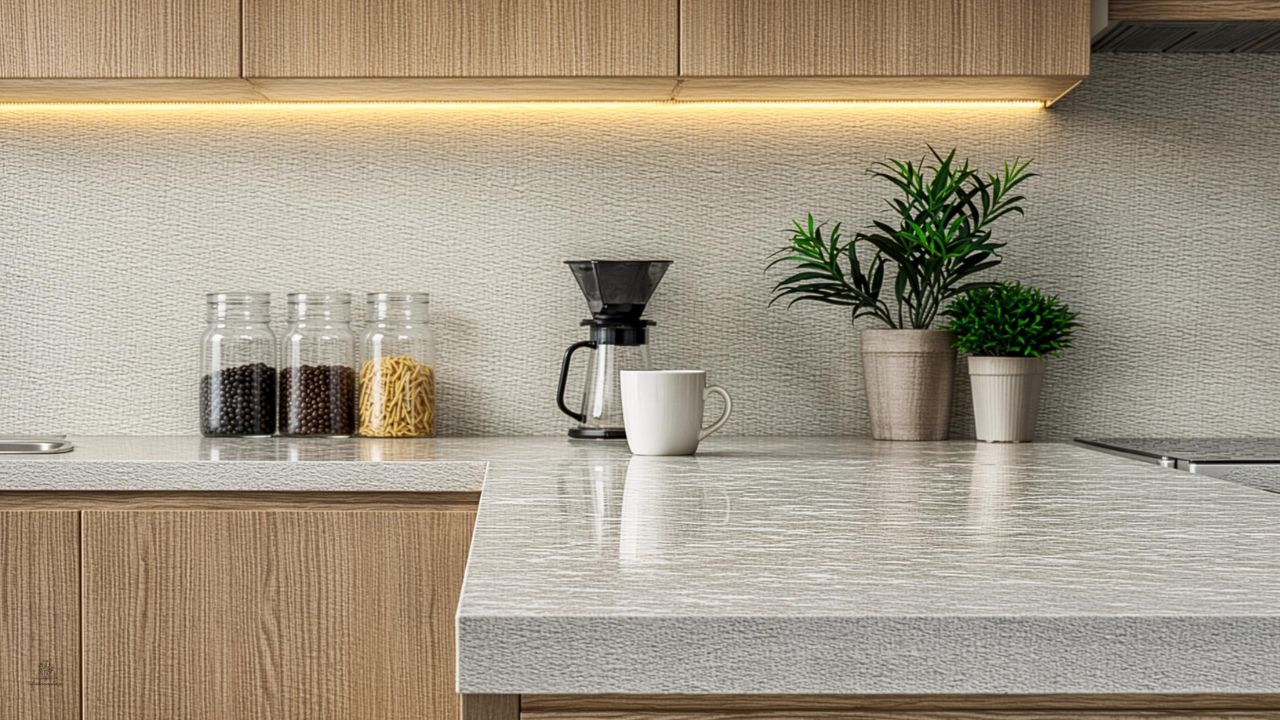
A simple coffee zone might include:
- Coffee maker or espresso machine
- Small tray
- Canister for coffee beans or pods
- Sugar bowl
- Favorite mugs
- Spoon rest or stirrers
- Small plant or framed art
If you use a lot of coffee accessories, consider storing extras in a nearby drawer or cabinet. Keep only the daily essentials on the counter.
For tea drinkers, use a small canister for tea bags, a honey jar, a mug tree, or an electric kettle. The same styling principle applies: group items together and leave space around them.
5. Bring in Greenery
Plants can make a kitchen feel fresh and alive. Even one small plant can soften the look of stone counters, stainless steel appliances, and tile backsplashes.
Good kitchen plant options may include:
- Pothos
- Snake plant
- Herbs
- Basil
- Mint
- Rosemary
- Small fern
- Succulent
- Faux greenery if natural light is limited
Herbs are especially useful because they are decorative and practical for cooking. Place them near a sunny window when possible.
If your kitchen does not get enough natural light, a realistic faux plant can still add color and softness. Choose one that looks natural, and avoid shiny plastic leaves that look artificial.
6. Display Pretty Canisters
Canisters can be practical when used carefully. They are best for ingredients or items you use often, such as flour, sugar, coffee, tea, oats, or snacks.
For a polished look, choose matching or coordinating canisters rather than a random mix of containers. Glass, ceramic, matte metal, and stoneware can all work depending on your style.
A few tips:
- Use airtight containers for food freshness
- Label canisters if contents are not obvious
- Avoid displaying too many at once
- Keep them away from greasy stove splatter
- Choose sizes that fit under cabinets comfortably
Canisters are most useful when they reduce packaging clutter. If they only add another layer of storage without serving a purpose, they may not be worth the counter space.
7. Use a Stylish Utensil Holder
If you cook often, keeping frequently used utensils near the stove makes sense. A utensil holder can look beautiful when it is not overfilled.
Choose a crock, vase, or container that complements your kitchen. Stoneware feels warm and traditional. Stainless steel works in modern kitchens. White ceramic looks clean and timeless. A vintage vessel can add character.
Keep only your best-looking and most-used tools in the holder. Store duplicates, worn spatulas, and specialty tools in a drawer.
A good utensil holder might include:
- Wooden spoons
- Silicone spatulas
- Whisk
- Tongs
- Ladle
- Slotted spoon
Too many utensils can make the counter look messy, so edit regularly.
8. Add a Small Lamp
A small kitchen lamp can instantly make a kitchen feel warmer, especially in the evening. It adds soft light that overhead fixtures often cannot provide.
A counter lamp works well in:
- A corner counter
- A butler’s pantry
- A coffee bar
- A kitchen desk area
- A large island with an outlet nearby
Choose a lamp that is appropriately scaled. It should not block cabinets, crowd prep space, or sit near water where it could be unsafe. In busy kitchens, cordless rechargeable lamps may be an option, depending on your needs and budget.
Use warm light for a cozy effect. Harsh, cool bulbs can make the kitchen feel less inviting.
9. Create a Sink-Side Styling Moment
The sink area is often overlooked, but it is one of the easiest places to improve. Since soap and cleaning tools already live there, choose attractive versions and group them neatly.
A sink-side setup might include:
- Refillable soap dispenser
- Hand lotion
- Small tray
- Dish brush
- Sponge holder
- Mini plant
- Small towel
This area should stay highly functional. Avoid placing too many decorative items near the sink because water splashes can damage wood, paper, and some finishes.
Washable, water-resistant materials are best. Ceramic, glass, stone, and metal usually work well.
10. Add Art or a Framed Print
Art in the kitchen can feel unexpected and personal. A small framed print leaning against the backsplash can add color, charm, or personality without taking up much space.
Good kitchen art options include:
- Vintage food prints
- Landscape sketches
- Abstract art
- Botanical illustrations
- Small family recipe cards in frames
- Black-and-white photography
- Cafe-inspired prints
Avoid placing valuable art where it may be exposed to steam, grease, or splashes. A protected corner or coffee bar area is usually safer than directly behind the stove or sink.
11. Use Cookbooks as Decor
Cookbooks are useful and attractive, especially if you enjoy cooking. A small stack of two or three cookbooks can add height and color to a counter vignette.
You can style cookbooks:
- Under a small bowl
- Beside a plant
- On a cookbook stand
- Near the prep area
- In a corner with a candle or vase
Do not display too many cookbooks on the counter. A large stack can become dusty, greasy, or inconvenient. Keep your most-used or most beautiful books out and store the rest on shelves.
12. Keep a Decorative Bowl for Small Items
A small catchall bowl can be helpful if your kitchen tends to collect keys, rings, lip balm, earbuds, or loose change. Instead of letting those items scatter across the counter, give them one attractive place to land.
This is especially useful near:
- The kitchen entrance
- A mudroom connection
- A command center
- A charging station
- A family drop zone
The trick is to empty it often. A catchall bowl should prevent clutter, not become a permanent junk bowl.
13. Add Texture With Woven or Natural Materials
Kitchens often have smooth, hard surfaces. Woven and natural materials can make the room feel softer and more layered.
Consider adding texture through:
- Woven trays
- Rattan baskets
- Wood bowls
- Linen towels
- Bamboo shades nearby
- Natural fiber placemats on an island
- Seagrass containers
Texture is especially helpful in all-white kitchens, modern kitchens, and kitchens with lots of stainless steel.
Use natural materials carefully near water or heat. Some woven pieces can stain or warp if they are constantly wet.
14. Decorate With Seasonal Touches
Seasonal decor can keep your kitchen feeling fresh, but it should not overwhelm the counters. A few small changes are usually enough.
For spring, try tulips, herbs, pastel towels, or a bowl of lemons.
For summer, use fresh fruit, greenery, coastal textures, or clear glass.
For fall, add pears, wooden accents, warm-toned linens, or a small arrangement of branches.
For winter, use greenery, a candle, ceramic houses, or a simple bowl of ornaments.
The most tasteful seasonal styling feels subtle. You do not need to cover every counter with holiday items.
15. Use One Statement Piece on the Island
If you have a kitchen island, treat it like a focal point. Instead of scattering small items across it, use one strong centerpiece.
Good island decor ideas include:
- Large bowl of fruit
- Oversized vase with branches
- Low floral arrangement
- Wooden tray with a few items
- Large ceramic bowl
- Candle arrangement
- Sculptural vessel
Keep height in mind. If your island is used for conversation, homework, or meals, avoid decor that blocks sightlines.
A wide, low centerpiece is often more practical than a tall arrangement.
How to Decorate Kitchen Counters by Style
Different kitchen styles call for different materials, colors, and levels of detail. You do not need to follow a style perfectly, but having a direction helps your decor feel cohesive.
Modern Kitchen Counter Decor
Modern kitchens usually look best with clean lines, simple shapes, and limited clutter.
Try:
- Matte black or white canisters
- Sleek soap dispensers
- Minimal cutting boards
- A single sculptural bowl
- Glass or metal trays
- One large branch arrangement
- Hidden storage for small items
Avoid overcrowding the counter. In a modern kitchen, negative space is part of the design.
Farmhouse Kitchen Counter Decor
Farmhouse kitchens feel warm, casual, and collected. The key is to keep the look charming without making it too busy.
Try:
- Wood cutting boards
- Stoneware crocks
- Woven baskets
- Vintage-inspired canisters
- Linen towels
- Fresh herbs
- Ironstone bowls
- Small framed art
Balance rustic pieces with clean surfaces so the room does not feel cluttered.
Traditional Kitchen Counter Decor
Traditional kitchens often work well with classic materials and symmetrical styling.
Try:
- Ceramic jars
- Polished trays
- Framed art
- Floral arrangements
- Elegant utensil crocks
- Marble boards
- Decorative lamps
- Matching canisters
Traditional decor can handle more detail than minimalist decor, but editing still matters.
Coastal Kitchen Counter Decor
Coastal kitchens should feel airy, light, and relaxed rather than overly themed.
Try:
- Clear glass vases
- White ceramic bowls
- Light wood cutting boards
- Woven trays
- Blue or sandy-toned accents
- Fresh greenery
- Linen towels
- Simple shells in a small bowl, used sparingly
Avoid too many obvious beach signs or nautical motifs. Natural texture and soft color usually feel more timeless.
Minimalist Kitchen Counter Decor
Minimalist kitchens require the most restraint. Every item should earn its place.
Try:
- One plant
- One cutting board
- One soap dispenser
- One fruit bowl
- Hidden appliance storage
- Neutral colors
- Simple containers
- Clean-lined trays
Minimalism does not mean the kitchen has to feel cold. Wood, linen, and warm lighting can keep it inviting.
Small Kitchen Counter Decor Ideas
Small kitchens need a different approach because counter space is limited. The goal is to add style without reducing function.
Keep Decor Vertical
Use the backsplash area when possible. Lean cutting boards, hang a rail, use a wall-mounted spice rack, or install a small shelf if appropriate.
Vertical styling keeps the counter clearer while still adding personality.
Choose Multi-Use Pieces
In a small kitchen, decorative items should usually serve a purpose. A beautiful bowl can hold fruit. A tray can organize oils. A crock can hold utensils. A plant can be an herb you cook with.
Avoid purely decorative pieces unless they are very small or placed in an unused corner.
Limit the Color Palette
Too many colors can make a small counter feel busy. Choose two or three main tones and repeat them.
For example:
- White, wood, and black
- Cream, brass, and sage green
- Gray, glass, and natural wicker
- Navy, white, and warm wood
A limited palette makes even practical items look more coordinated.
Put Appliances Away When Possible
If you use an appliance daily, it can stay out. If you use it once a week or less, consider storing it.
Common appliances that take up counter space include:
- Blender
- Toaster
- Air fryer
- Stand mixer
- Slow cooker
- Food processor
In small kitchens, every inch matters. Keeping rarely used appliances off the counter creates a cleaner, more spacious look.
Budget-Friendly Ways to Improve Kitchen Counters
You do not need expensive accessories to make your kitchen counters look better. Often, the most effective upgrades are simple and affordable.
Shop Your Home First
Before buying anything, look around your home for items that could work in the kitchen.
You might already have:
- A small tray
- A ceramic bowl
- A vase
- A framed print
- A basket
- A candle
- A stack of books
- A plant pot
- A glass jar
Moving items from one room to another can make them feel new.
Upgrade Everyday Basics
Replacing mismatched or worn items can make a big difference.
Consider upgrading:
- Soap bottles
- Dish towels
- Sponge holders
- Utensil crocks
- Salt and pepper mills
- Coffee canisters
- Cutting boards
- Fruit bowls
These items do not need to be expensive. The key is choosing pieces that look cohesive together.
Use Grocery Store Decor
Some of the best kitchen decor comes from the grocery store.
Try:
- Lemons in a bowl
- Fresh herbs in pots
- Eucalyptus stems
- Seasonal flowers
- Apples or pears
- A loaf of bread on a board
- Artichokes or garlic in a bowl
Fresh items make a kitchen feel alive and inviting. Just remember to replace them before they spoil.
Refill and Remove Packaging
Original packaging can make counters look visually noisy. Decanting frequently used items into simple containers can create a cleaner look.
This works well for:
- Coffee
- Tea
- Sugar
- Flour
- Oats
- Pasta
- Dog treats
- Dish soap
- Hand soap
Use labels when needed, especially for food safety and convenience.
How to Create a Countertop Vignette
A vignette is a small styled grouping of objects. In kitchen design, a good vignette makes a counter look finished without creating clutter.
Use the Rule of Three
Groups of three often look natural and balanced. Choose items with different heights, shapes, or textures.
Example:
- Wood cutting board
- Small plant
- Ceramic bowl
Another example:
- Tray
- Soap dispenser
- Dish brush in a small cup
The pieces should relate to each other but not match perfectly.
Vary Height and Shape
A flat counter display can look dull. Mix tall, medium, and low items.
For instance, pair a tall vase with a medium cutting board and a low bowl. Or place a small lamp beside a stack of cookbooks and a short candle.
This creates visual movement without adding too much.
Repeat Materials
Repeating materials helps the kitchen feel cohesive. If your cabinet hardware is brass, you might use a brass tray or spoon. If your stools are wood, repeat wood through cutting boards or bowls.
You do not need everything to match. In fact, a mix of materials usually feels more natural. But a few repeated finishes help the space feel intentional.
Keep It Easy to Clean
Kitchen decor should not make daily cleaning difficult. Avoid arrangements that require moving a dozen items every time you wipe the counter.
A good vignette should be easy to lift, move, or clean around. This is why trays are so useful.
Practical Counter Zones That Work
Instead of decorating randomly, think in zones. This helps your counters support your routine.
The Cooking Zone
This area is usually near the stove. It may include:
- Oil and vinegar
- Salt and pepper
- Utensil crock
- Spoon rest
- Cutting board
- Small tray
Keep this area practical and heat-safe. Avoid flammable decor near burners, such as paper, dried flowers, loose towels, or lightweight baskets.
The Cleaning Zone
This area is near the sink. It may include:
- Soap dispenser
- Dish brush
- Sponge holder
- Hand lotion
- Small tray
- Towel
- Mini plant
Choose items that can handle moisture and are easy to wipe down.
The Beverage Zone
This area is for coffee, tea, smoothies, or daily drinks. It may include:
- Coffee maker
- Kettle
- Mugs
- Coffee canister
- Tea container
- Sweetener
- Small tray
Keep extras stored nearby. A beverage zone can become cluttered quickly if every syrup, pod, mug, and accessory stays out.
The Drop Zone
Some kitchens naturally become a landing place for mail, keys, sunglasses, school papers, and chargers. If that happens in your home, create a controlled drop zone.
Use:
- A small bowl for keys
- A letter tray for mail
- A charging station
- A drawer organizer nearby
- A basket for papers that need attention
A drop zone should be edited daily or weekly so it does not turn into clutter.
Common Kitchen Counter Decor Mistakes to Avoid
Even beautiful items can make counters feel messy if they are used the wrong way. Here are the most common mistakes.
Using Too Many Small Items
Lots of tiny decor pieces can look cluttered. Instead, use fewer, larger pieces with stronger visual impact.
For example, one medium vase often looks better than five tiny figurines.
Ignoring Scale
Large kitchens need decor with enough presence. Small kitchens need pieces that do not overwhelm the surface.
A tiny candle may disappear on a large island, while a huge vase may crowd a narrow apartment counter.
Choose decor that fits the size of your counter.
Keeping Every Appliance Out
Appliances are useful, but too many can make a kitchen feel crowded. Keep daily-use appliances out and store the rest.
A coffee maker that you use every morning makes sense. A waffle maker used twice a year probably does not need permanent counter space.
Mixing Too Many Styles
A kitchen can feel disjointed when every decor item has a different style. For example, ultra-modern canisters, rustic farmhouse signs, coastal shells, and glam metallic accessories may compete with one another.
Choose one main style direction, then mix carefully.
Forgetting About Cleaning
Kitchens deal with crumbs, grease, water, and spills. Decor that is delicate, hard to clean, or placed too close to cooking areas may become frustrating.
Choose washable, durable, easy-to-move pieces.
Overdecorating the Island
A kitchen island often needs to serve many purposes: meal prep, dining, homework, entertaining, and unloading groceries. Too much decor can get in the way.
Use one centerpiece or a tray that can be moved quickly.
Cost Considerations: What to Spend and Where to Save
Kitchen counter styling can be done on almost any budget. The best approach is to spend more on items you touch daily and save on purely decorative accents.
Worth Spending More On
You may want to invest in:
- Quality cutting boards
- Durable soap dispensers
- Attractive storage canisters
- Good salt and pepper mills
- A sturdy tray
- A beautiful fruit bowl
- A practical utensil crock
- A long-lasting lamp
These pieces are used often and can last for years.
Easy Places to Save
You can usually save on:
- Seasonal decor
- Small vases
- Faux stems
- Decorative bowls
- Framed prints
- Candles
- Baskets
- Dish towels
Discount stores, thrift shops, estate sales, home goods stores, and online marketplaces can be great sources for affordable kitchen accents.
Safety and Maintenance Tips
Kitchen counters need to look good, but they also need to stay safe and sanitary.
Keep Decor Away From Heat
Do not place flammable items near burners, toaster ovens, or hot appliances. This includes paper, fabric, dried flowers, wood pieces, and some baskets.
Keep cooking oils away from direct heat and sunlight when possible.
Be Careful Near Water
Wood trays, paper art, and woven baskets can be damaged by repeated water exposure. Near the sink, use materials like ceramic, glass, stone, or metal.
Clean Under Decor Regularly
Crumbs and dust can collect under trays, bowls, appliances, and canisters. Lift items and wipe underneath often, especially in food prep areas.
Use Food-Safe Materials
If a board, bowl, or tray touches food directly, make sure it is intended for food use. Some decorative finishes are not designed for direct food contact.
Avoid Clutter Around Outlets
Coffee makers, lamps, chargers, and small appliances can create cord clutter. Keep cords tidy and avoid overloading outlets.
A Simple Step-by-Step Plan to Style Your Counters
If you are not sure where to start, use this simple process.
Step 1: Clear Everything Off
Start with a blank surface. Remove appliances, papers, bottles, dishes, and decor. Clean the counters thoroughly.
This helps you see the kitchen with fresh eyes.
Step 2: Add Back Daily Essentials
Return only what you use every day or almost every day. This might include the coffee maker, soap dispenser, utensil crock, or fruit bowl.
Be honest about what deserves counter space.
Step 3: Choose One or Two Decorative Moments
Pick a small number of areas to style. For example, you might decorate near the stove and create a simple island centerpiece.
Avoid styling every corner.
Step 4: Group Items With Trays or Boards
Use trays, boards, or bowls to organize items visually. This makes the counter look cleaner and more intentional.
Step 5: Add Warmth and Texture
Bring in one or two materials that soften the space, such as wood, linen, ceramic, greenery, or woven texture.
Step 6: Step Back and Edit
Look at the kitchen from the entrance. Does anything feel crowded? Is there enough room to cook? Do the colors and materials work together?
Remove one item if the counter feels busy. Editing is often what makes the final result feel polished.
Kitchen Counter Decor Ideas by Countertop Material
Your countertop material can influence which decor looks best.
White Quartz or Marble-Look Counters
White counters are bright and clean but can feel cold if everything else is also white. Add warmth with:
- Wood cutting boards
- Brass accents
- Woven trays
- Green plants
- Warm-toned ceramics
Avoid too many pale items that blend into the surface.
Dark Stone Counters
Dark counters feel dramatic and elegant. Add contrast with:
- White ceramic
- Clear glass
- Light wood
- Metallic accents
- Fresh greenery
Dust and crumbs may show more easily on dark counters, so keep displays simple and easy to move.
Butcher Block Counters
Butcher block already adds warmth, so balance it with:
- White ceramics
- Black accents
- Glass canisters
- Green plants
- Simple metal trays
Avoid placing wet items directly on wood for long periods. Use trays near the sink.
Laminate Counters
Laminate counters can look great with thoughtful styling. The key is to choose decor that elevates the surface.
Try:
- Attractive cutting boards
- A statement bowl
- Coordinated soap dispensers
- A stylish tray
- Fresh flowers
- Clean-lined canisters
You do not need expensive counters to have a beautiful kitchen.
How to Keep Decor From Turning Into Clutter
Decor works best when it is maintained. A counter that looks beautiful on Monday can become chaotic by Friday if there is no system.
Try these habits:
- Reset the counter every evening
- Put mail in one designated spot
- Store rarely used appliances
- Empty the fruit bowl before adding more
- Wash trays and containers regularly
- Edit seasonal decor after the holiday passes
- Keep only one or two decorative groupings
A kitchen should feel easy to live in. If your decor makes the room harder to use, simplify it.
Who Should Keep Kitchen Counters Minimal?
A highly decorated kitchen is not right for everyone. Minimal counters may be best if:
- You cook frequently
- You have a small kitchen
- You dislike visual clutter
- You have young children
- You need easy cleaning
- You share the kitchen with several people
- You use the island for work or homework
- You have limited storage
Minimal does not mean bare. It simply means every item has a reason to be there.
Who Can Use More Decorative Counter Styling?
More layered styling may work well if:
- You have a large kitchen
- You entertain often
- You have plenty of prep space
- You enjoy seasonal decorating
- Your kitchen opens into the living area
- You have unused corners
- You like a warm, collected look
- You have strong storage elsewhere
Even then, the best displays are edited. A few meaningful pieces usually look better than many random ones.
Quick Counter Styling Formula
For an easy, balanced arrangement, use this formula:
- One useful item
- One natural element
- One decorative accent
Example:
- Utensil crock
- Small herb plant
- Framed print
Another example:
- Coffee canister
- Mini plant
- Ceramic tray
This formula keeps the arrangement practical while still making it look styled.
Practical Checklist Before You Finish
Before you call your counters done, check the following:
- Is there enough open space for food prep?
- Are daily-use items easy to reach?
- Are decorative items easy to clean around?
- Are flammable items away from heat?
- Are water-sensitive items away from the sink?
- Do colors and materials feel cohesive?
- Does the counter look good from the main entrance?
- Can you reset the space in less than five minutes?
If the answer is yes, your styling is probably working.
FAQ
How much decor should I put on my kitchen counters?
Use enough decor to make the kitchen feel warm and intentional, but not so much that it interrupts cooking or cleaning. Most kitchens look best with two to four styled zones, depending on the size of the space.
What should I put on my kitchen island?
A kitchen island usually looks best with one main centerpiece, such as a large bowl, vase, tray, plant, or low floral arrangement. Keep it easy to move if you use the island for meals, prep, or homework.
How do I decorate counters in a small kitchen?
Focus on useful decor. Choose a fruit bowl, small plant, soap dispenser, tray, or cutting board that adds style without taking up too much space. Store appliances you do not use daily.
Are kitchen canisters still in style?
Canisters can still look stylish when they are simple, coordinated, and useful. Avoid overcrowding the counter with too many containers. Use them for items you reach for often, such as coffee, tea, sugar, or flour.
How can I make my kitchen counters look less cluttered?
Start by removing everything, then add back only daily essentials. Use trays to group items, store rarely used appliances, limit small decorative pieces, and keep one main prep area clear.
What decor looks good near the kitchen sink?
A refillable soap dispenser, small tray, dish brush, hand lotion, and mini plant can make the sink area look polished. Choose water-resistant materials that are easy to wipe clean.
Can I decorate kitchen counters without spending much money?
Yes. Shop your home first, use grocery store flowers or fruit, upgrade basic soap bottles, display a cutting board, or use a tray you already own. Small changes can make a noticeable difference.
What should not be kept on kitchen counters?
Avoid keeping too many appliances, piles of mail, rarely used gadgets, delicate decor near water, or flammable items near heat. Counters should stay safe, clean, and practical.
Conclusion
The best kitchen counter decor makes your kitchen feel beautiful without getting in the way of real life. It gives everyday items a place, adds warmth and personality, and helps the room feel finished without requiring a remodel.
Start with function, keep open space where you need it, and choose a few pieces that suit your style and routine. A tray by the stove, a plant near the window, a bowl of fruit on the island, or a clean sink-side setup can completely change the way your kitchen feels.
When your counters are easy to use, easy to clean, and pleasant to look at, the whole kitchen becomes a more enjoyable place to spend time.