Outdoor living spaces have become a focal point for homeowners seeking to extend the comfort and style of their interiors to the outside environment. A significant trend in this area is the use of Terracotta, a material known for its earthy hues and durability. This article delves into how incorporating Terracotta can transform outdoor spaces into aesthetic and functional retreats. You’ll discover its impact on aesthetics, atmosphere, functionality, and sustainability.
Enhancing Outdoor Aesthetics with Terracotta Elements
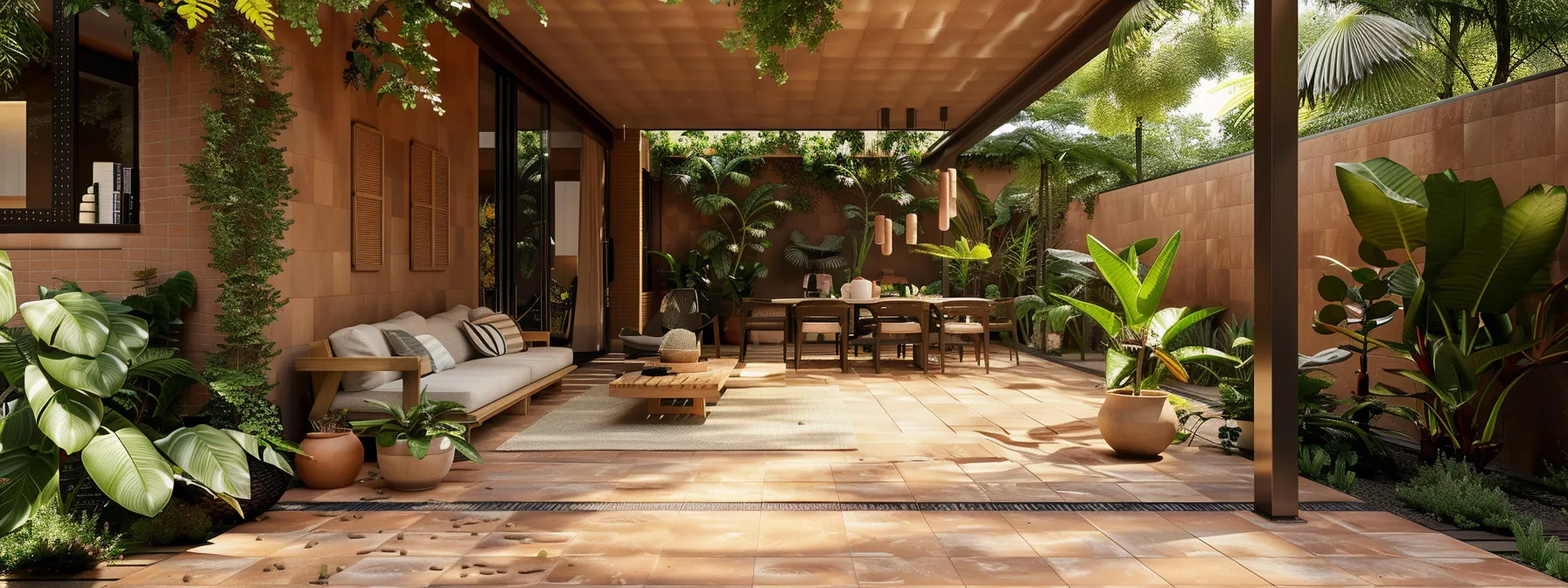
Terracotta stands out as a unique hardscape material that blends seamlessly with natural surroundings. Its earthy tones complement a variety of design palettes, making it a versatile choice for patios and garden paths. In the schematic design phase of a project, designers often select Terracotta for its ability to harmonize with both modern and rustic styles. According to a recent study by Architectural Digest, homes utilizing Terracotta tiles in outdoor spaces saw a 30% increase in aesthetic appeal among surveyed homeowners.
Moreover, Terracotta’s adaptability allows it to be used in various forms, from tiles and planters to decorative sculptures. These elements can be strategically placed to enhance the visual elevation drawings of an outdoor area, adding depth and character. The material’s natural patina evolves over time, further enriching the space with a warm, timeless charm.
Creating a Warm and Inviting Atmosphere Outdoors
Terracotta’s natural warmth contributes to an inviting outdoor atmosphere. This material aligns with the principles of color theory application, where warm tones are used to create a welcoming environment. For instance, incorporating Terracotta planters or fire pits can make an outdoor space feel more intimate and cozy, encouraging social gatherings and relaxation.
In landscape architecture, Terracotta is often utilized to define spaces, such as seating areas or garden borders, enhancing the overall site assessment and planning. By using Terracotta, designers can craft spaces that not only look appealing but also feel comfortable and inviting. This is particularly valuable for homeowners looking to create a seamless transition between indoor and outdoor living areas.
Incorporating Terracotta for Functional Outdoor Spaces
Beyond aesthetics, Terracotta is a practical choice for functional outdoor spaces. Its durability and resistance to extreme weather conditions make it an ideal material for patios, walkways, and outdoor kitchens. The incorporation of Terracotta can be seen in various functional elements, such as outdoor countertops or benches, which benefit from its sturdy nature.
Integrating Terracotta into outdoor design also involves careful consideration of zoning regulations, ensuring that the material’s use complies with local building codes. As with any home improvement project, it’s crucial to refer to as-built drawings to verify that installations are executed accurately. Recent projects have highlighted the effectiveness of Terracotta in creating sustainable, long-lasting outdoor environments.
Sustainable Design Practices with Terracotta in Outdoor Living
Terracotta is not only aesthetically pleasing and functional but also aligns with sustainable design practices. Its natural composition and longevity contribute to environmentally friendly construction. When sourced responsibly, Terracotta can support LEED certification efforts by reducing the environmental impact of building materials.
Furthermore, using Terracotta in outdoor spaces can contribute to eco-friendly landscaping practices. For example, Terracotta tiles are often used in areas with permeable surfaces, promoting water conservation and reducing runoff. This makes it an excellent choice for homeowners looking to integrate sustainable practices into their outdoor living designs.
Conclusion
Incorporating Terracotta into outdoor living spaces offers a blend of aesthetic appeal, functionality, and sustainability. Whether enhancing the visual allure with its rich tones or creating durable and eco-friendly spaces, Terracotta proves to be a valuable asset in home improvement and interior design. For those looking to transform their outdoor areas, exploring the potential of Terracotta can lead to beautifully crafted and resilient environments.