Introduction
There’s something unforgettable about walking into a dining room that feels collected instead of copied. The layered textures, unexpected colors, vintage treasures, and personal details instantly make the space feel alive. That’s exactly why eclectic dining rooms have become one of the most loved interior design trends among homeowners who crave warmth, creativity, and individuality.
Unlike perfectly matched showroom spaces, eclectic interiors tell a story. They blend old and new pieces, combine different design eras, and create visual harmony in ways that feel effortless rather than rigid. In reality, many people are tired of sterile rooms that lack personality. They want spaces that spark conversation and make guests feel welcome.
Whether you live in a modern apartment, a rustic farmhouse, or a traditional suburban home, eclectic design offers flexibility without sacrificing elegance. The beauty of this style is that there are no strict rules. However, successful eclectic decorating still requires balance, intention, and a strong sense of cohesion.
In this guide, you’ll discover how to design beautiful eclectic dining spaces, choose the right colors and furniture, mix patterns confidently, and avoid common decorating mistakes. You’ll also learn how designers create layered interiors that feel curated instead of chaotic.
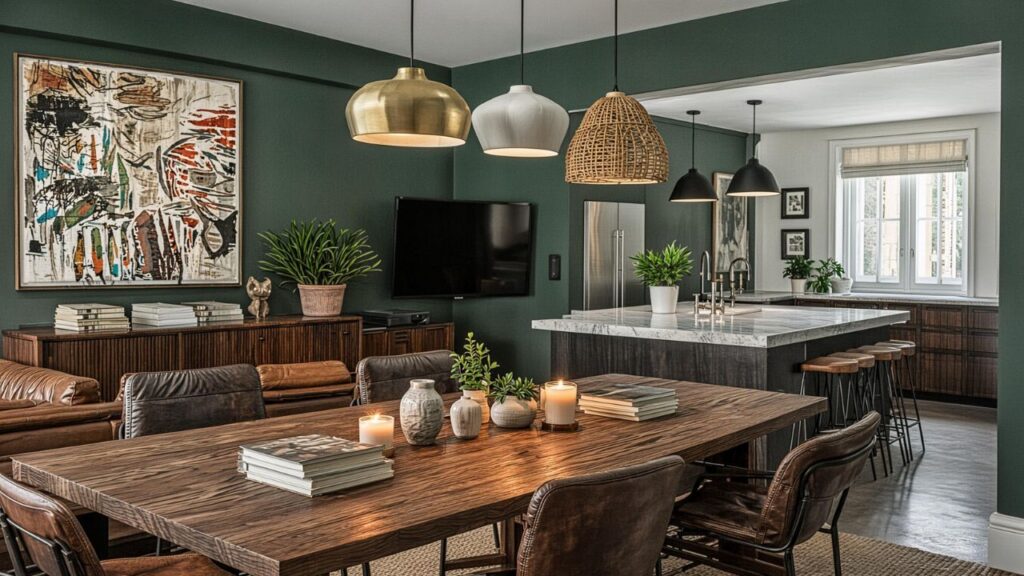
Table of Contents
- What Defines Eclectic Dining Rooms
- Why Eclectic Design Is So Popular
- Essential Elements of Eclectic Dining Rooms
- Choosing the Perfect Color Palette
- Mixing Furniture Styles Like a Designer
- Lighting Ideas That Transform the Space
- Best Materials and Textures for Eclectic Interiors
- How to Use Art and Decorative Accessories
- Small Eclectic Dining Room Ideas
- Luxury Eclectic Dining Rooms
- Budget-Friendly Decorating Tips
- Common Mistakes to Avoid
- Sustainable and Vintage Decorating Trends
- Real-Life Eclectic Dining Room Inspirations
- FAQs
- Conclusion
What Defines Eclectic Dining Rooms
At their core, eclectic dining rooms combine multiple design influences into one harmonious space. Instead of following a single decorating style like Scandinavian, industrial, or farmhouse, eclectic interiors borrow the best elements from many aesthetics.
A successful eclectic room might include:
- A vintage wooden dining table
- Mid-century modern chairs
- Industrial pendant lights
- Contemporary wall art
- Handwoven rugs
- Brass accessories
The secret lies in balance. Designers often repeat certain colors, materials, or shapes throughout the room to create visual consistency.
Another defining characteristic is personality. These spaces often reflect travel experiences, family heirlooms, artistic interests, or collected treasures gathered over time. That personal touch is what makes eclectic design feel authentic rather than staged.
The Difference Between Eclectic and Maximalist Design
People often confuse eclectic interiors with maximalism. While they share similarities, they are not identical.
Eclectic design focuses on harmony between contrasting styles. Maximalism, on the other hand, embraces abundance, boldness, and dramatic layering without restraint.
An eclectic dining room may feel curated and balanced, while a maximalist dining room often feels intentionally extravagant.
Why Homeowners Love This Style
There’s emotional comfort in creating a room that feels uniquely yours. Instead of chasing fleeting trends, eclectic decorating encourages self-expression.
In a 2025 Houzz interior design survey, nearly 42% of homeowners said they preferred personalized interiors over minimalist trends. That shift reflects a growing desire for warmth, authenticity, and emotional connection in home design.
Why Eclectic Design Is So Popular
Modern homeowners want spaces with soul. Social media has also played a major role in the popularity of eclectic interiors. Platforms like Pinterest and Instagram expose people to creative combinations they may never have considered before.
However, the trend goes deeper than aesthetics.
Many people are moving away from disposable furniture and mass-produced interiors. They want meaningful spaces filled with vintage pieces, sustainable materials, and handcrafted decor.
eclectic dining rooms also adapt beautifully to changing lifestyles. As families grow and tastes evolve, homeowners can add new pieces without completely redesigning the room.
The Rise of Sustainable Decorating
Sustainability has become one of the biggest drivers behind eclectic design.
Rather than buying matching furniture sets, many people now shop secondhand, restore antique furniture, or mix affordable modern pieces with vintage finds.
This approach:
- Reduces waste
- Supports sustainable living
- Saves money
- Creates one-of-a-kind interiors
That sense of individuality simply cannot be replicated with cookie-cutter furniture collections.
Essential Elements of Eclectic Dining Rooms
Creating a cohesive eclectic interior requires more thought than many people realize. Without structure, the room can quickly feel cluttered or visually overwhelming.
Here are the essential components designers rely on.
Layered Textures
Texture is what gives eclectic spaces depth and warmth.
Popular combinations include:
| Texture Type | Common Materials |
|---|---|
| Soft textures | Velvet, linen, boucle |
| Natural textures | Rattan, jute, reclaimed wood |
| Industrial textures | Metal, iron, concrete |
| Reflective textures | Glass, mirrors, brass |
Mixing textures prevents the room from feeling flat.
Contrasting Furniture Styles
One of the hallmarks of eclectic design is contrast.
For example:
- Traditional dining tables paired with modern chairs
- Rustic benches combined with sleek lighting
- Antique cabinets beside minimalist artwork
The contrast creates visual interest while maintaining personality.
Statement Lighting
Lighting often acts as the focal point in eclectic interiors.
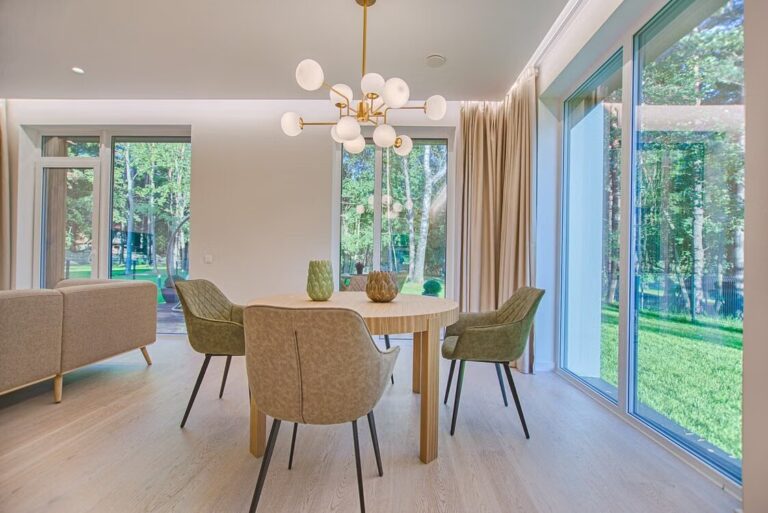
Oversized chandeliers, sculptural pendants, woven lanterns, and vintage-inspired fixtures all work beautifully.
A dramatic light fixture can instantly unify mixed furniture styles.
Bold Patterns and Prints
Patterns add energy to eclectic spaces.
Popular choices include:
- Geometric wallpaper
- Floral upholstery
- Tribal rugs
- Abstract artwork
- Striped curtains
The key is balancing large-scale and small-scale patterns so the room doesn’t feel chaotic.
Choosing the Perfect Color Palette
Color plays a major role in tying eclectic interiors together.
Although eclectic spaces can be colorful, the most successful rooms still rely on a controlled palette.
Neutral Foundations With Colorful Accents
Many designers begin with neutral walls and larger furniture pieces. This creates flexibility for layering brighter accents later.
Common neutral foundations include:
- Warm white
- Taupe
- Soft gray
- Beige
- Earthy clay tones
Accent colors may include emerald green, navy blue, mustard yellow, terracotta, or deep burgundy.
Monochromatic Eclectic Interiors
Not all eclectic spaces are loud.
Some homeowners prefer subtle eclectic design using tonal variations within a single color family. For example, combining soft cream walls with tan leather chairs, walnut wood furniture, and brass lighting can create understated elegance.
Jewel Tones for Dramatic Dining Spaces
Deep jewel tones work exceptionally well in dining rooms because they create intimacy.
Popular combinations include:
- Emerald green and brass
- Navy blue and walnut
- Burgundy and black
- Teal and gold
These palettes feel luxurious while still maintaining eclectic character.
Mixing Furniture Styles Like a Designer
One of the biggest fears homeowners have is mixing furniture incorrectly. Fortunately, professional designers follow simple principles that make the process easier.
Choose One Dominant Style
Even eclectic interiors benefit from a guiding aesthetic.
For example, your room may lean primarily modern while incorporating vintage and rustic accents.
This prevents the room from feeling random.
Repeat Materials Throughout the Room
Repetition creates visual unity.
If you use brass lighting fixtures, repeat brass through mirror frames, cabinet handles, or candle holders.
Similarly, repeating wood tones throughout the room helps anchor contrasting furniture styles.
Mix Chair Styles Carefully
Mixed dining chairs remain one of the most popular trends in eclectic interiors.
Successful combinations include:
- Upholstered chairs with wooden chairs
- Benches paired with armchairs
- Vintage chairs mixed with contemporary silhouettes
However, maintaining consistent seat height is essential for comfort.
Blend Old and New Pieces
The most compelling eclectic interiors often mix heirlooms with contemporary furniture.
For example:
- An antique farmhouse table paired with modern acrylic chairs
- Contemporary artwork above a vintage buffet
- Industrial pendant lights over a rustic dining table
This combination creates a layered, collected appearance.
Lighting Ideas That Transform the Space
Lighting dramatically influences mood, especially in dining rooms.
Oversized Chandeliers
Large chandeliers instantly add drama and sophistication.
Popular styles include:
- Sputnik chandeliers
- Beaded chandeliers
- Brass geometric fixtures
- Vintage crystal lighting
The contrast between ornate lighting and simpler furniture often creates striking visual balance.
Layered Lighting Techniques
Designers rarely rely on a single light source.
Instead, they layer:
- Overhead lighting
- Wall sconces
- Candles
- Floor lamps
- Buffet table lamps
Layered lighting creates warmth and flexibility.
Natural Light Matters Too
Natural light enhances texture, color, and material variation.
If possible:
- Use sheer curtains
- Add mirrors to reflect light
- Avoid blocking windows with bulky furniture
Bright rooms feel more inviting and spacious.
Best Materials and Textures for Eclectic Interiors
Texture creates emotional warmth in dining spaces.
Natural Wood Finishes
Wood remains foundational in many eclectic interiors.
Popular options include:
- Walnut
- Oak
- Reclaimed pine
- Mango wood
Mixing wood tones can work beautifully when done intentionally.
Velvet and Boucle Upholstery
Soft fabrics bring comfort and luxury.
Velvet dining chairs especially complement:
- Brass accents
- Dark paint colors
- Vintage-inspired interiors
Boucle fabrics, meanwhile, add softness and modern texture.
Woven and Handmade Pieces
Handcrafted details give eclectic rooms authenticity.
Examples include:
- Woven pendant lights
- Hand-thrown pottery
- Handmade rugs
- Artisan ceramics
These elements make the space feel personal and lived-in.
How to Use Art and Decorative Accessories
Accessories often determine whether eclectic interiors feel stylish or cluttered.
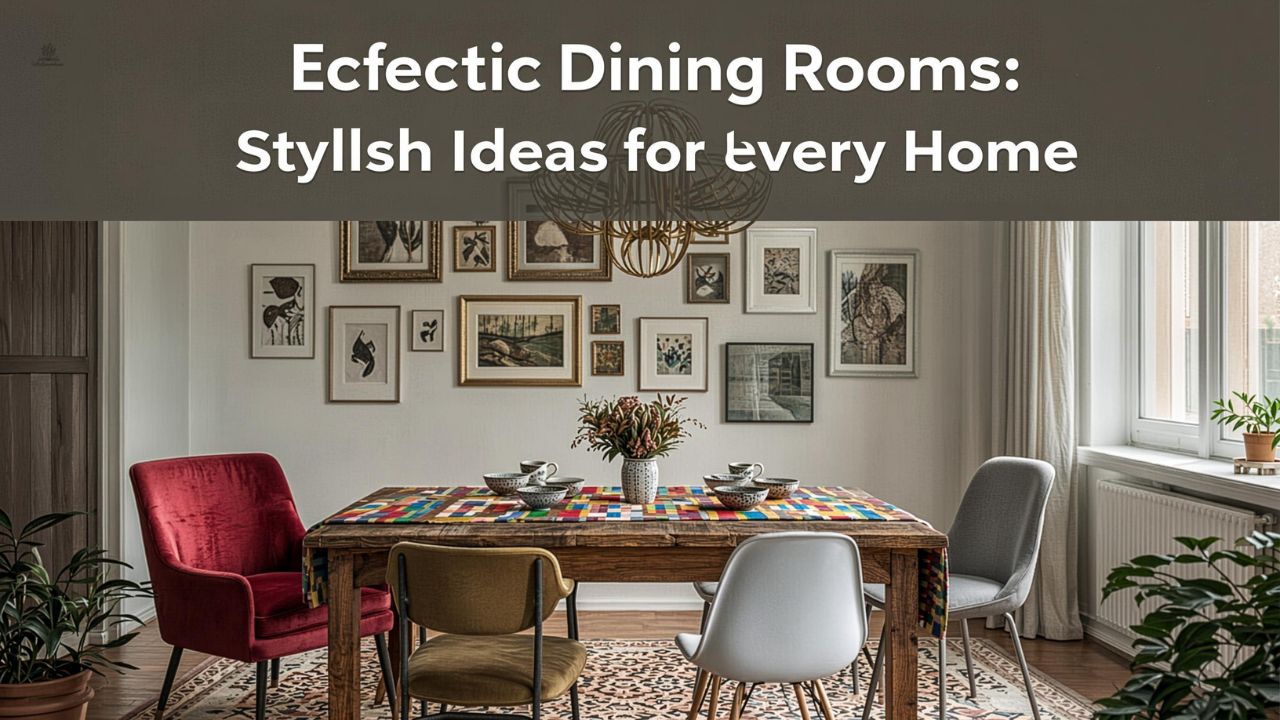
Create a Gallery Wall
Gallery walls are incredibly effective in eclectic dining rooms.
Mix:
- Photography
- Abstract paintings
- Vintage prints
- Sculptural pieces
- Travel souvenirs
Maintaining consistent frame colors can help unify the arrangement.
Incorporate Personal Collections
One reason eclectic interiors feel emotionally rich is because they showcase personal stories.
You might display:
- Vintage dishware
- Antique books
- Handmade ceramics
- Travel artifacts
- Family heirlooms
These details create emotional connection.
Use Greenery Strategically
Plants soften bold interiors and improve visual balance.
Popular dining room plants include:
- Olive trees
- Snake plants
- Pothos
- Fiddle leaf figs
Greenery also enhances air quality and adds life to the room.
Small Eclectic Dining Room Ideas
Small spaces can benefit tremendously from eclectic design because layering creates visual depth.
Use Mirrors to Expand the Space
Mirrors reflect both light and color, helping small rooms feel larger.
Vintage mirrors work especially well in eclectic interiors.
Choose Multi-Functional Furniture
Consider:
- Storage benches
- Extendable dining tables
- Slim-profile chairs
- Floating shelves
Smart furniture choices maximize functionality.
Keep the Color Palette Focused
Too many competing colors can overwhelm small rooms.
Instead, select:
- One dominant neutral
- Two accent colors
- Repeated materials
This maintains cohesion while preserving personality.
Luxury Eclectic Dining Rooms
Luxury eclectic interiors balance comfort with refinement.
High-End Materials
Upscale spaces often feature:
- Marble tables
- Velvet upholstery
- Custom lighting
- Solid brass accents
- Handcrafted cabinetry
These premium materials elevate the entire room.
Architectural Details
Luxury interiors frequently incorporate architectural interest.
Examples include:
- Coffered ceilings
- Decorative molding
- Arched doorways
- Statement fireplaces
These details provide structure beneath layered decor.
Designer Styling Techniques
Professional designers often rely on the “edited abundance” approach.
The room feels collected and rich without appearing cluttered.
Achieving this balance requires:
- Negative space
- Consistent color repetition
- Strategic focal points
Budget-Friendly Decorating Tips
Beautiful eclectic interiors don’t require enormous budgets.
In fact, some of the most charming spaces are created affordably.
Shop Secondhand
Thrift stores, flea markets, and estate sales offer unique furniture and accessories at low prices.
Look for:
- Solid wood furniture
- Vintage mirrors
- Brass candlesticks
- Artwork
- Dining chairs
Refinish Existing Furniture
Painting or staining old furniture can dramatically transform a room.
For example:
- Black-painted chairs add modern contrast
- Whitewashed wood creates softness
- Brass hardware modernizes cabinets
Focus on Accessories
Affordable accessories can create significant impact.
Examples include:
- Patterned pillows
- Table runners
- Candles
- Wall art
- Plants
These details add personality without major renovation costs.
Common Mistakes to Avoid
Even experienced decorators can make mistakes with eclectic interiors.
Overcrowding the Room
Too many decorative items create visual chaos.
Every piece should contribute meaningfully to the room.
Ignoring Scale and Proportion
Oversized furniture can overwhelm small dining rooms.
Similarly, tiny accessories may disappear in large spaces.
Maintaining balanced proportions is essential.
Lack of Cohesion
Although eclectic design embraces variety, rooms still need unifying elements.
Without repeated colors, materials, or shapes, the space may feel disconnected.
Following Trends Too Closely
Authentic eclectic interiors evolve naturally over time.
Copying every viral trend often leads to spaces that feel forced rather than personal.
Sustainable and Vintage Decorating Trends
Sustainability continues reshaping interior design.
The Return of Vintage Furniture
Vintage furniture sales have increased significantly in recent years.
Consumers increasingly value:
- Durability
- Craftsmanship
- Character
- Environmental responsibility
Older furniture pieces often feature higher-quality materials than mass-produced alternatives.
Eco-Friendly Materials
Many homeowners now prioritize:
- Reclaimed wood
- Organic fabrics
- Non-toxic paint
- Handmade decor
- Sustainable textiles
These choices create healthier living environments.
Mixing Modern Sustainability With Old-World Charm
The combination of vintage furniture and eco-conscious decorating perfectly aligns with eclectic design principles.
This balance feels timeless rather than trend-driven.
Real-Life Eclectic Dining Room Inspirations
Sometimes the best inspiration comes from real homes.
The Urban Loft Approach
In city apartments, eclectic dining spaces often combine:
- Industrial lighting
- Contemporary artwork
- Vintage tables
- Leather seating
The contrast creates warmth within modern architecture.
The Modern Farmhouse Blend
Farmhouse-inspired eclectic interiors frequently include:
- Rustic wood tables
- Modern black chairs
- Antique mirrors
- Linen textiles
This combination feels welcoming and sophisticated.
Artistic Bohemian Spaces
Bohemian eclectic dining rooms embrace:
- Layered rugs
- Colorful textiles
- Handmade ceramics
- Global-inspired decor
These rooms feel deeply personal and expressive.
eclectic dining rooms continue evolving because they allow homeowners to celebrate individuality rather than conforming to rigid decorating formulas.
FAQ
What are eclectic dining rooms?
Eclectic dining rooms combine multiple design styles, textures, colors, and furniture types into one cohesive space. The goal is to create personality and visual interest while maintaining harmony.
How do I make an eclectic dining room look cohesive?
Use repeating colors, materials, and shapes throughout the room. Consistency helps balance contrasting furniture and decor styles.
Can eclectic interiors look modern?
Absolutely. Many modern eclectic interiors combine clean contemporary furniture with vintage accents, bold artwork, and layered textures.
Which colors work best in eclectic dining spaces?
Neutral foundations paired with rich accent colors like emerald green, navy blue, mustard yellow, and burgundy often work beautifully.
Are eclectic dining rooms expensive to create?
Not necessarily. Many eclectic interiors use thrifted furniture, vintage decor, and affordable accessories to achieve a curated look.
How many styles should I mix in one room?
Most designers recommend blending two to four complementary styles. Too many competing influences can feel chaotic.
What lighting works best for eclectic interiors?
Statement lighting such as chandeliers, sculptural pendants, and vintage-inspired fixtures often becomes a focal point in eclectic rooms.
Is eclectic design still trendy in 2026?
Yes. Personalized interiors remain highly popular because homeowners increasingly value authenticity, sustainability, and individuality.
Can small dining rooms use eclectic design?
Definitely. Strategic layering, mirrors, and carefully selected furniture can make small eclectic spaces feel stylish and spacious.
Conclusion
Designing eclectic interiors is less about following rules and more about creating emotional connection. The most memorable dining rooms aren’t perfectly matched spaces pulled from catalog pages. Instead, they’re layered, personal, and filled with meaningful details that reflect the people living there.
From vintage furniture and dramatic lighting to bold artwork and textured fabrics, eclectic design offers endless opportunities for creativity. However, balance remains the secret ingredient. Repeating colors, mixing textures thoughtfully, and editing decorative elements carefully can transform even the most diverse collections into a cohesive and inviting room.
As homeowners continue embracing individuality and sustainable decorating, eclectic interiors will likely remain one of the most enduring design styles. Whether your taste leans modern, rustic, bohemian, or traditional, eclectic decorating allows you to create a dining room that feels truly personal, warm, and unforgettable.