Article
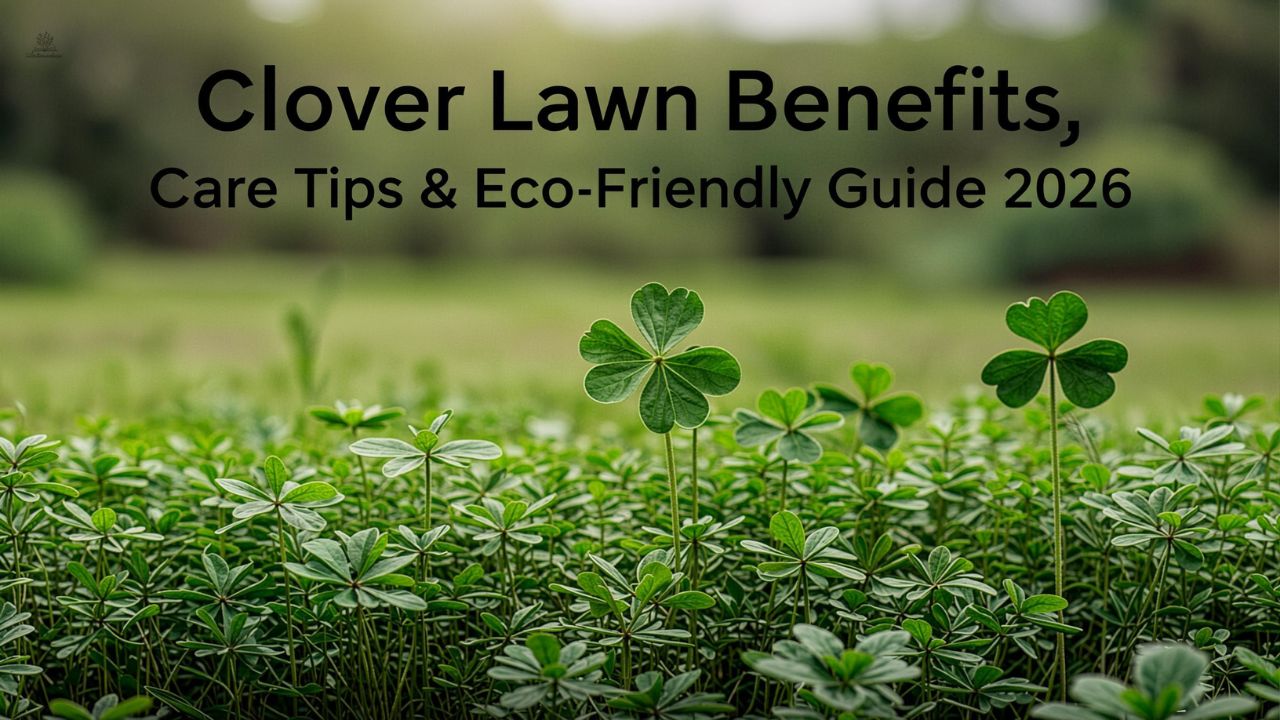
Few yard transformations feel as satisfying as stepping onto soft green ground that stays healthy with less effort, less water, and fewer chemicals. That’s exactly why the clover lawn has become one of the most talked-about landscaping trends among homeowners, gardeners, and sustainability experts.
Traditional turf grass often demands constant mowing, watering, fertilizing, and repair. Clover offers a refreshing alternative that looks beautiful while reducing many of the headaches associated with conventional lawns. Whether you want a greener landscape, lower maintenance costs, or a yard that supports pollinators, this guide explains everything you need to know.
Homeowners across neighborhoods, rural properties, and suburban developments are rediscovering clover because it combines practicality with natural beauty. It grows densely, tolerates moderate foot traffic, and creates a soft carpet-like appearance that feels inviting year-round.

Why Homeowners Are Switching to a clover lawn
Clover was once commonly mixed into lawn seed blends before modern herbicide marketing changed public perception. Today, gardeners are bringing it back because of its resilience and environmental advantages.
One of the biggest benefits is nitrogen fixation. Clover naturally pulls nitrogen from the air and returns it to the soil, helping surrounding plants grow healthier without heavy fertilizer use. This process improves soil quality over time and reduces dependence on synthetic products.
Another major advantage is drought tolerance. Clover roots can stay green longer during dry conditions compared to many cool-season grasses. That means fewer brown patches and lower water bills during hot weather.
Clover also grows lower to the ground than many grass varieties, reducing mowing frequency. Some homeowners mow occasionally for a tidy appearance, while others prefer the natural meadow-like texture.

Environmental Benefits
A yard filled with clover contributes to a healthier ecosystem in several ways:
- Supports bees and pollinators
- Requires fewer chemical fertilizers
- Reduces water consumption
- Improves soil structure naturally
- Creates less yard waste from mowing
These benefits make clover appealing to people interested in sustainable landscaping and eco-conscious living.
Comfort and Appearance
Many people are surprised by how soft clover feels underfoot. The leaves create a cushion-like texture that remains pleasant even during warm weather. Its rich green color also tends to stay vibrant longer than standard grass.
Microclover varieties are especially popular because they blend neatly with turf and create a more uniform appearance. They feature smaller leaves and a refined texture that looks polished without feeling artificial.
How to Start a clover lawn
Establishing a clover-based yard is easier than many homeowners expect. Success usually depends on timing, soil preparation, and selecting the right clover variety for your climate.
White clover is the most common option because it spreads evenly and tolerates foot traffic well. Microclover is another favorite for people who want a more manicured appearance.

Choose the Right Time
The best planting periods are typically:
- Early spring
- Early fall
- Mild weather seasons with consistent moisture
Avoid planting during extreme summer heat because seedlings may struggle before roots establish properly.
Prepare the Soil
Healthy establishment starts with good soil contact. Begin by:
- Removing weeds and debris
- Loosening compacted soil
- Raking the surface smooth
- Testing drainage conditions
Clover does not require extremely rich soil, but it benefits from decent drainage and moderate sunlight.
Seeding Methods
There are two common approaches:
Overseeding Existing Grass
This method blends clover into an existing lawn. Mow grass short before spreading seed to help sunlight reach the soil surface.

Full Lawn Replacement
Some homeowners completely remove turf before seeding. This creates a more uniform result but requires more preparation.
After seeding, lightly water the area daily until sprouts appear. Most varieties germinate quickly under favorable conditions.
Watering Guidelines
Clover generally needs:
- Frequent light watering during germination
- Moderate watering during establishment
- Minimal watering once mature
Overwatering can weaken roots and encourage fungal problems, so balance is important.
Best Clover Varieties for Residential Yards
Not all clover types behave the same way. Choosing the correct variety helps determine appearance, durability, and maintenance requirements.
White Clover
White clover remains the classic option for lawns because it spreads effectively and adapts to different soil conditions. It tolerates moderate traffic and blends well with grass.
Microclover
Microclover has smaller leaves and shorter growth habits. It creates a cleaner visual texture while still delivering nitrogen benefits.
Many modern homeowners prefer microclover because it looks more refined in suburban landscapes and HOA-regulated neighborhoods.
Red Clover
Red clover grows taller and produces larger flowers. It works better in meadow gardens or pollinator-focused spaces rather than traditional residential lawns.

Daily Maintenance Tips for a Healthy clover lawn
One reason clover continues gaining popularity is its reduced maintenance needs compared to conventional turf.
Still, a few simple habits can keep it thriving throughout the year.
Mowing Practices
You can mow clover occasionally for a neat appearance, but frequent cutting is usually unnecessary.
General mowing recommendations include:
- Keep blades sharp
- Avoid scalping
- Mow higher during summer
- Leave light clippings behind
Some homeowners mow every few weeks, while others allow a more natural look.
Fertilizing Needs
Unlike standard turf grass, clover often needs little or no nitrogen fertilizer. Excessive fertilization may even encourage grass competition rather than supporting clover growth.
If soil health declines, compost or balanced organic amendments can help maintain vigor.
Weed Control
Dense clover growth naturally crowds out many weeds. However, bare patches may still invite unwanted plants.
The best prevention methods include:
- Proper seeding density
- Consistent mowing habits
- Healthy soil management
- Avoiding overwatering
Chemical weed killers should be used cautiously because many products also damage clover.
Common Problems in a clover lawn
Although clover is relatively hardy, no lawn system is completely maintenance-free. Understanding potential challenges helps prevent frustration later.
Heavy Foot Traffic Damage
While clover tolerates moderate use, intense activity can thin certain areas over time. Paths, sports zones, and pet routes may require occasional reseeding.
Adding stepping stones or mixed turf blends can improve durability in high-use spaces.
Bee Activity
Flowering clover naturally attracts bees and pollinators. Many homeowners appreciate this ecological benefit, but families with small children sometimes worry about stings.
Regular mowing before heavy flowering can reduce bee presence in play areas.
Winter Dormancy
In colder climates, clover may thin or brown temporarily during winter. This is normal and usually resolves once temperatures rise again.
Drainage Issues
Poor drainage can encourage root diseases or patchy growth. If water pools frequently, improving soil aeration may help.
Seasonal Care for a clover lawn
Each season brings slightly different maintenance priorities. Adjusting care routines throughout the year helps maintain healthy growth and consistent color.
Spring Care
Spring is the ideal time for:
- Overseeding thin patches
- Light soil aeration
- Clearing winter debris
- Checking drainage issues
Early spring growth can appear surprisingly fast once temperatures stabilize.
Summer Care
During warm months:
- Water deeply but infrequently
- Avoid mowing during heat stress
- Monitor high-traffic areas
- Watch for dry patches
Clover generally handles summer conditions better than many traditional grasses.
Fall Preparation
Fall is excellent for reseeding because cooler temperatures and seasonal rain encourage germination.
Apply compost lightly if soil quality needs improvement.
Winter Expectations
Most clover varieties slow growth during winter. Avoid excessive traffic on frozen or saturated soil to reduce compaction.
Landscaping Ideas That Pair Well With Clover
Clover integrates beautifully with many modern landscaping styles. Whether you prefer cottage gardens, minimalist yards, or naturalistic outdoor spaces, it can complement the design.
Stone Walkways
Natural stone paths create visual contrast while protecting areas exposed to regular foot traffic.
Pollinator Gardens
Flower beds filled with lavender, coneflowers, salvia, and native wildflowers pair exceptionally well with clover landscapes.
Raised Garden Beds
Vegetable gardens surrounded by clover create a visually soft transition while helping reduce muddy pathways.
Mixed Grass Blends
Some homeowners combine clover with drought-resistant turf grass to create a balanced appearance with improved resilience.
Cost Comparison: Clover vs Traditional Turf
Many people initially explore clover because of long-term savings.
Although installation costs vary by region, clover can reduce expenses related to:
- Fertilizer
- Irrigation
- Weed treatment
- Lawn repair
- Frequent mowing
The exact savings depend on climate, property size, and maintenance habits, but many homeowners notice reduced lawn care costs within the first year.
Is Clover Right for Every Yard?
Clover works wonderfully in many settings, but it may not suit every property.
It is often ideal for:
- Eco-conscious homeowners
- Low-maintenance landscapes
- Moderate-use family yards
- Pollinator-friendly gardens
- Areas with watering restrictions
However, heavily used athletic spaces or highly formal lawns may still benefit from traditional turf blends.
Before planting, consider local climate, soil conditions, neighborhood expectations, and how you use your outdoor space daily.

Long-Term Benefits of a clover lawn
Over time, clover can improve both lawn health and soil quality naturally. Because it contributes nitrogen to the ground, surrounding plants often benefit as well.
Many homeowners also appreciate the quieter maintenance routine. Fewer mowing sessions and lower fertilizer demands create a more relaxed approach to yard care.
Another overlooked advantage is visual softness. Clover landscapes often feel more organic and welcoming compared to heavily managed turf systems.
As sustainable landscaping becomes increasingly important, clover continues standing out as a practical solution that combines beauty with environmental responsibility.
FAQ
Is a clover lawn better than grass?
It depends on your goals. Clover generally requires less water and fertilizer while staying greener during dry weather. Grass may perform better in high-traffic athletic areas.
How often should clover be mowed?
Many homeowners mow every few weeks or only when flowers become excessive. Growth habits vary depending on climate and variety.
Does clover attract bees?
Yes, flowering clover attracts pollinators. Mowing before blooms fully develop can reduce bee activity in play areas.
Can clover survive drought conditions?
Clover usually handles drought better than many turf grasses because of its deep-rooting tendencies and efficient growth habits.
Will clover spread into garden beds?
It can spread gradually if unmanaged. Edging and occasional trimming help maintain clean borders around flower beds and pathways.
Is microclover different from white clover?
Yes. Microclover has smaller leaves and a finer texture, creating a more uniform lawn appearance.
Can pets safely play on clover?
Clover is generally safe for pets and creates a soft surface for outdoor activity.
Does clover need fertilizer?
In most cases, clover needs very little fertilizer because it naturally fixes nitrogen into the soil.
Conclusion
The modern homeowner wants more from a yard than perfect stripes and endless maintenance. People want landscapes that save water, support pollinators, reduce chemical use, and still look beautiful throughout the year. That’s why the clover lawn continues growing in popularity across urban neighborhoods, suburban communities, and rural properties alike.
With proper planning, thoughtful maintenance, and realistic expectations, clover can transform an ordinary yard into a softer, greener, and more sustainable outdoor space. Whether you choose microclover for a refined look or traditional white clover for maximum resilience, this natural alternative offers an appealing balance of beauty and practicality.