
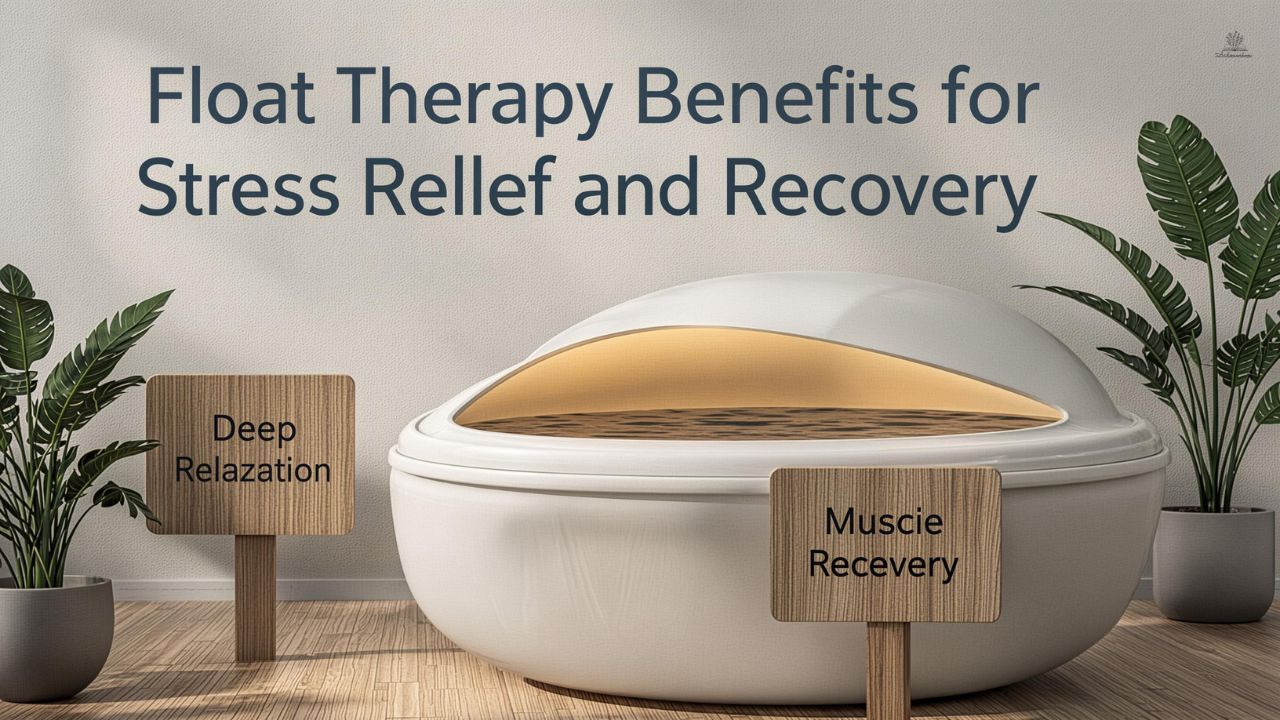
Introduction
Imagine lying effortlessly on warm water in complete silence, free from notifications, noise, stress, and gravity itself. That almost surreal experience is exactly why float therapy has become one of the fastest-growing wellness trends in recent years. What once sounded futuristic is now being embraced by athletes, entrepreneurs, therapists, and everyday people searching for genuine mental and physical relief.
Modern life constantly overstimulates the brain. Between endless screen time, work pressure, lack of sleep, and emotional burnout, many people feel mentally exhausted before the day even begins. Float therapy offers something increasingly rare: stillness. Inside a float tank, the outside world fades away, giving both the body and mind a chance to deeply reset.
For some people, the first session feels profoundly calming. Others describe it as strangely emotional, almost like meditation without effort. However it’s experienced, one thing becomes clear quickly—this isn’t just another luxury spa treatment. It’s a wellness practice rooted in sensory reduction, magnesium absorption, and nervous system recovery.

Table of Contents
What Is Float Therapy
How Float Therapy Works
The Science Behind Sensory Deprivation
Mental Health Benefits of Float Therapy
Physical Recovery and Pain Relief
Float Therapy for Athletes and Performance
Sleep Improvement and Nervous System Recovery
What Happens During a Float Session
Float Therapy vs Meditation
Who Should Try Float Therapy
Potential Risks and Considerations
How to Choose a Float Center
Frequently Asked Questions
Conclusion
What Is Float Therapy
Float therapy, sometimes called sensory deprivation therapy or flotation therapy, involves floating in a specially designed tank filled with warm water and high concentrations of Epsom salt.

The Basics of Floating
The salt concentration is so high that the body naturally floats effortlessly without needing to tread water. Most tanks are designed to minimize:
- Sound
- Light
- Physical pressure
- External distractions
This creates an environment where the nervous system can deeply relax.
Origins of Float Therapy
Float therapy was originally developed in the 1950s by neuroscientist John C. Lilly, who wanted to study the effects of sensory reduction on consciousness and the brain.
Over time, the practice evolved from scientific experimentation into a mainstream wellness treatment.
Why It Feels So Unique
Most people rarely experience complete stillness. Even during sleep, the brain processes sound, pressure, and environmental stimulation. Floating removes much of that sensory input, which can feel surprisingly powerful.
How Float Therapy Works
The effectiveness of float therapy comes from a combination of physical buoyancy, sensory reduction, and magnesium-rich water.
Epsom Salt and Buoyancy
Float tanks contain approximately 800–1,000 pounds of Epsom salt dissolved into shallow water. This creates extreme buoyancy, allowing the body to float effortlessly.

Reduced Sensory Input
Inside the tank:
- Muscles stop resisting gravity
- Visual distractions disappear
- External noise decreases
- Physical tension softens
The brain gradually shifts into deeply relaxed states.
Magnesium Absorption
Epsom salt contains magnesium sulfate, which many wellness experts associate with:
- Muscle recovery
- Stress reduction
- Better sleep
- Reduced inflammation
Although research on skin absorption remains ongoing, many float users report noticeable relaxation effects afterward.

The Science Behind Sensory Deprivation
Sensory deprivation sounds intimidating at first, but the actual experience is often calming rather than uncomfortable.
Brainwave Changes
Some studies suggest floating may encourage:
- Theta brainwave states
- Deep relaxation
- Reduced cortisol levels
- Increased mindfulness
Theta states are often associated with meditation, creativity, and early sleep cycles.
Nervous System Regulation
Modern stress keeps many people trapped in “fight or flight” mode. Floating appears to encourage activation of the parasympathetic nervous system, sometimes called the “rest and digest” state.
Reduced Environmental Stimulation
Humans process enormous amounts of sensory information every day:
- Notifications
- Traffic noise
- Conversations
- Artificial lighting
- Screen exposure
Float tanks temporarily reduce that overload.
Mental Health Benefits of Float Therapy
One reason float therapy continues gaining attention is its connection to emotional wellness.

Stress Reduction
Many float users report dramatic stress relief after sessions. Floating creates a rare opportunity for uninterrupted mental quiet.
Anxiety Support
Some research suggests floatation therapy may help reduce symptoms of anxiety by calming the nervous system and lowering sensory stimulation.
Improved Emotional Awareness
Interestingly, some people experience emotional clarity while floating. Without constant distractions, thoughts sometimes become easier to process.
Mental Fatigue Recovery
People with mentally demanding careers often describe floating as a “brain reset.”
This includes:
- Entrepreneurs
- Healthcare workers
- Creatives
- Executives
- Students
Physical Recovery and Pain Relief
Floating isn’t only beneficial for mental wellness.
Reduced Muscle Tension
Weightlessness relieves pressure from joints and muscles, which can ease:
- Neck pain
- Back pain
- Shoulder tightness
- Chronic tension
Faster Recovery
Athletes frequently use floating to support recovery after intense training.
Benefits may include:
- Reduced soreness
- Better circulation
- Relaxed muscles
- Improved flexibility
Chronic Pain Support
Some individuals with fibromyalgia, arthritis, or chronic pain conditions report temporary relief after float sessions.
However, results vary from person to person.
Float Therapy for Athletes and Performance
Professional athletes increasingly incorporate floating into recovery routines.

Mental Focus and Visualization
Elite performers often use float sessions for:
- Visualization training
- Mental rehearsal
- Focus enhancement
- Emotional regulation
Recovery Between Competitions
The reduced physical pressure allows the body to recover more efficiently between intense performances.
Famous Athletes Who Float
Several athletes and public figures have openly discussed using flotation therapy, including:
- NBA players
- UFC fighters
- Olympic athletes
- Endurance runners
The practice has become especially popular in high-performance sports environments.
Sleep Improvement and Nervous System Recovery
Poor sleep affects nearly every aspect of health.
Why Floating May Improve Sleep
The deeply relaxed state created during floating may help:
- Lower stress hormones
- Relax muscles
- Calm racing thoughts
- Improve sleep onset
Reducing Overstimulation
Many people struggle to sleep because the brain remains overstimulated from constant digital input. Floating offers the opposite experience.
Deep Relaxation Effects
Some float users report sleeping better for days after sessions, especially after evening appointments.
What Happens During a Float Session
First-time floaters often feel nervous simply because the experience is unfamiliar.
Before Entering the Tank
Most float centers ask clients to:
- Shower beforehand
- Avoid caffeine
- Remove jewelry
- Use earplugs
Inside the Float Tank
The water is typically skin-temperature, which minimizes awareness of where the body ends and the water begins.
Some tanks allow:
- Adjustable lighting
- Music options
- Open-door floating
What It Feels Like
Experiences vary widely. Some people:
- Meditate deeply
- Fall asleep
- Reflect emotionally
- Lose track of time
- Experience mental stillness
Others initially struggle to relax before gradually settling in.

Float Therapy vs Meditation
People often compare floating to meditation, but they aren’t identical experiences.
Similarities
Both practices encourage:
- Relaxation
- Mindfulness
- Reduced stress
- Mental clarity
Key Differences
Meditation usually requires active mental focus. Floating often creates relaxation passively by removing stimulation.
Easier for Beginners
Some people who struggle with traditional meditation find floating easier because the environment naturally supports calmness.
Who Should Try Float Therapy
Float therapy appeals to a surprisingly wide range of people.

Common Float Therapy Users
Many regular clients include:
- Busy professionals
- Athletes
- Creatives
- People with anxiety
- Chronic pain sufferers
- Meditation enthusiasts
First-Time Floaters
People new to wellness practices often appreciate floating because it doesn’t require special skills or experience.
Individuals Seeking Quiet
In reality, modern life rarely allows uninterrupted silence. Floating creates a rare opportunity to disconnect completely.
Potential Risks and Considerations
Although generally considered safe, float therapy isn’t suitable for everyone.

Claustrophobia Concerns
Some individuals initially worry about enclosed spaces. However, most float centers offer:
- Spacious rooms
- Open tanks
- Adjustable lighting
Skin Sensitivity
Salt water may irritate cuts, shaving nicks, or sensitive skin temporarily.
Medical Conditions
People with certain conditions should consult healthcare professionals before floating, especially if they have:
- Severe epilepsy
- Open wounds
- Infectious illnesses
- Serious mental health concerns
Emotional Reactions
Occasionally, floating can bring unexpected emotions to the surface because external distractions disappear.
How to Choose a Float Center
Not all float centers offer the same experience.
Prioritize Cleanliness
Hygiene matters enormously. Reputable centers use:
- Filtration systems
- UV sanitation
- Water testing
- Strict cleaning protocols
Evaluate the Environment
The best float centers feel calm from the moment you enter.
Important details include:
- Lighting
- Noise control
- Staff professionalism
- Privacy
- Tank quality
Read Reviews Carefully
Customer reviews often reveal:
- Staff quality
- Cleanliness standards
- Overall comfort
- First-time experiences
The Growing Popularity of Float Therapy
Wellness culture has changed dramatically in recent years.
Burnout and Mental Overload
Modern lifestyles contribute heavily to:
- Anxiety
- Chronic stress
- Sleep deprivation
- Mental exhaustion
People increasingly seek experiences that provide genuine restoration rather than temporary distraction.
Wellness Industry Expansion
The global wellness industry continues growing rapidly, with flotation therapy becoming a larger part of:
- Recovery centers
- Luxury spas
- Holistic wellness clinics
- Mental health support spaces
Social Media and Awareness
Platforms like YouTube, TikTok, and podcasts have introduced floating to wider audiences through personal experiences and wellness discussions.
Emotional Benefits Beyond Relaxation
Some float experiences become surprisingly meaningful.

Disconnecting From Constant Noise
Many people don’t realize how overstimulated they are until silence finally arrives.
Creative Insights
Artists, writers, and entrepreneurs sometimes report breakthrough ideas during float sessions because the mind becomes less distracted.
Feeling Present Again
For people constantly multitasking, floating creates a rare moment of simply existing without pressure or urgency.
FAQs
Is float therapy safe?
Yes, float therapy is generally considered safe for most healthy individuals when practiced at reputable float centers.
How long does a float session last?
Most sessions last between 60 and 90 minutes, though some centers offer longer experiences.
Can you drown in a float tank?
The high salt concentration makes the body naturally buoyant, so floating requires almost no effort.
Do you wear clothes in a float tank?
Most people float nude for comfort and hygiene, but swimwear is optional depending on personal preference.
Does float therapy help anxiety?
Some studies and user experiences suggest floating may reduce anxiety symptoms by calming the nervous system.
Can I fall asleep while floating?
Yes. Many people drift into deeply relaxed states or briefly fall asleep during sessions.
Is float therapy claustrophobic?
Modern float tanks vary in size, and many centers offer spacious open-room options for those concerned about confinement.
How often should you do float therapy?
Some people float weekly, while others schedule sessions monthly depending on stress levels, recovery needs, and personal goals.
Conclusion
The growing interest in float therapy reflects something deeper than a wellness trend. People are exhausted. Mentally overstimulated. Constantly connected yet emotionally drained. Floating offers a rare chance to step away from that noise and reconnect with stillness in a way modern life rarely allows.
Whether someone seeks stress relief, athletic recovery, emotional clarity, better sleep, or simply an hour without distractions, float therapy creates space for genuine restoration. And in a world filled with constant demands for attention, that quiet experience can feel surprisingly powerful.
For many people, the first float session isn’t just relaxing—it’s a reminder of how deeply the mind and body crave rest.