Introduction
Some homes do not just look beautiful; they feel like they carry sunlight, history, and quiet romance in their walls. spanish colonial revival architecture is one of those styles.
With white stucco walls, red clay tile roofs, arched openings, decorative ironwork, and peaceful courtyards, this style has shaped many of the most loved homes in California, Florida, Texas, and the American Southwest.
It matters because this architecture is more than a trend. It connects climate-smart design, old-world craftsmanship, and warm indoor-outdoor living in a way that still feels deeply livable today.
Table of Contents
- What Is Spanish Colonial Revival Architecture?
- History and Origins
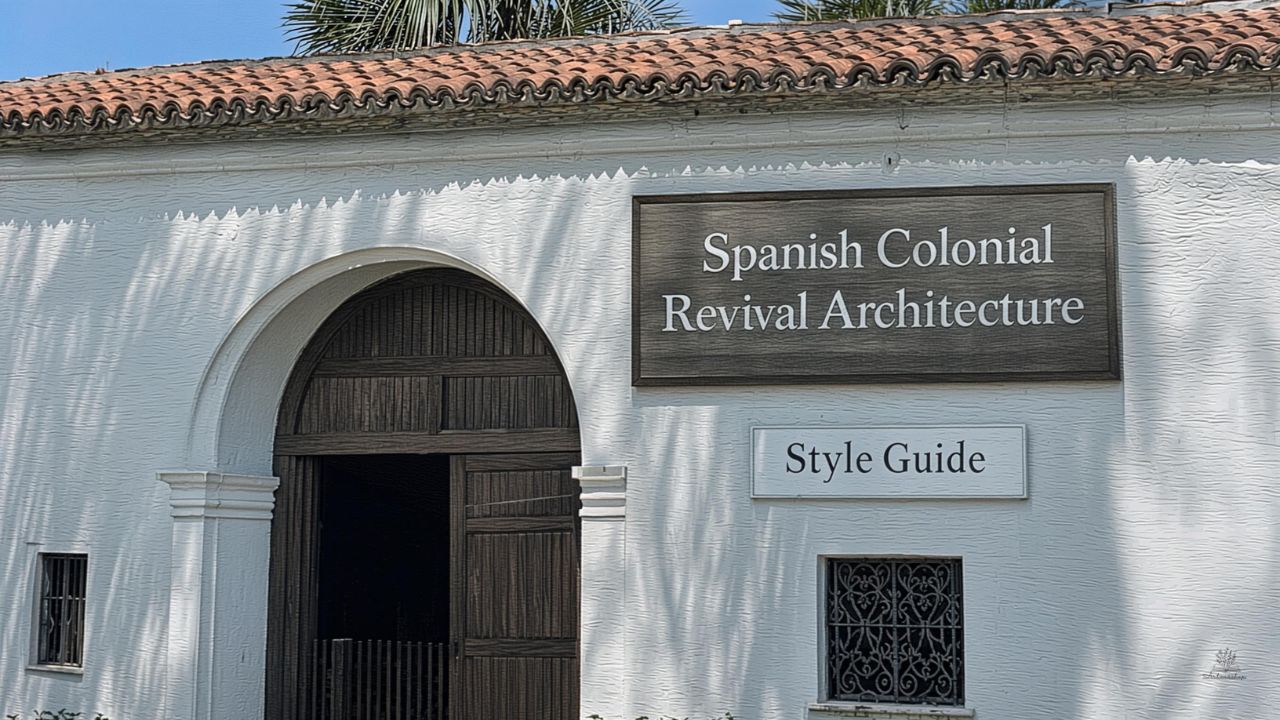
- Signature Exterior Features
- Interior Design Details
- Materials and Craftsmanship
- Regional Examples and Famous Influences
- Spanish Colonial Revival Architecture vs Similar Styles
- How to Design or Restore This Style
- Common Mistakes to Avoid
- Personal Background and Financial Insights
- FAQs
- Conclusion
What Is Spanish Colonial Revival Architecture?
spanish colonial revival architecture is a revival style inspired by Spanish colonial buildings, Spanish Baroque details, Mission architecture, Moorish design, Mexican influences, and regional building traditions from former Spanish territories.
The style became especially popular in the United States during the early 20th century. The Pennsylvania Historical & Museum Commission notes that it gained national popularity after the 1915 Panama-California Exposition in San Diego.
In simple terms, it is a romantic reinterpretation of older Spanish and colonial forms. It is not one single strict formula. Instead, it blends stucco, tile, arches, courtyards, carved wood, ironwork, and decorative ceramic details into a warm architectural language.
History and Origins
The rise of spanish colonial revival architecture was closely tied to regional identity, tourism, and the desire to create buildings that felt connected to local history.
The 1915 Panama-California Exposition
The 1915 Panama-California Exposition in San Diego played a major role in popularizing the style. Sources on the style commonly connect the exposition with architects Bertram Goodhue and Carleton Winslow, who helped present Spanish-influenced buildings as a dramatic regional ideal.
After that, the style spread across California and other warm-climate regions. It suited the sunshine, outdoor living patterns, and cultural landscape of the West and Southwest.
Growth in the 1920s and 1930s
The style became highly visible between roughly 1915 and 1940. During that period, many American cities embraced romantic revival styles, including Mission Revival, Mediterranean Revival, Tudor Revival, and Spanish Colonial Revival.
Santa Barbara is one famous example. After the 1925 earthquake, the city adopted a strong Spanish character in many public and private buildings, helping define the look people still associate with coastal California.
Decor Home Cafe inspires stylish living with creative ideas from Havenly DIY and timeless trends from Grandmillennial.net. Discover unique pieces through Faire Decor and elevate your space with practical tips from DIY apt therapy. Create a warm, personalized home filled with charm, comfort, and beautiful design inspiration.
Signature Exterior Features
The exterior is usually what makes people fall in love first.
| Feature | What It Looks Like | Why It Matters |
|---|---|---|
| Stucco walls | Smooth white or warm-toned plaster | Creates a clean, sun-washed look |
| Red clay tile roof | Low-pitched terra-cotta roof tiles | Adds color, texture, and historic charm |
| Arched openings | Doorways, windows, porches, arcades | Softens the structure visually |
| Courtyard | Private outdoor living space | Connects the home to nature |
| Wrought iron | Railings, gates, balconies, lanterns | Adds handcrafted detail |
| Decorative tile | Stairs, fountains, risers, fireplace surrounds | Brings color and artistry |
| Heavy wood doors | Carved or plank-style entries | Creates a strong first impression |
| Realtor.com describes Spanish-inspired homes as often having terra-cotta tile roofs, white stucco walls, and Mediterranean landscaping. |
Interior Design Details
Inside, spanish colonial revival architecture often feels warm, textured, and calm.
Common Interior Elements
- Exposed wood beams
- Arched hallways
- Plaster walls
- Saltillo or terra-cotta tile floors
- Iron light fixtures
- Carved wood doors
- Niches and alcoves
- Fireplace focal points
- Handmade ceramic tile
- Courtyard-facing rooms
The interiors are usually not cold or overly polished. They feel lived-in, layered, and a little imperfect in the best way.
Materials and Craftsmanship
Materials are a huge part of the style’s charm.
Stucco
Stucco gives the home its smooth, sculptural look. It also works well in dry and warm climates because it reflects light and creates a thick, protective exterior surface.
Clay Tile Roofing
Red clay roof tiles are one of the strongest visual signatures. They add depth, shadow, and warmth.
Wood
Dark wood beams, doors, shutters, and ceiling details bring richness. In many homes, wood helps balance the pale stucco walls.
Iron and Tile
Wrought iron and ceramic tile add craft. A small detail, like a tiled stair riser or iron window grille, can make a plain wall feel special.
Regional Examples and Famous Influences
spanish colonial revival architecture is especially linked with California, Florida, Texas, and the Southwest.
California
California became one of the strongest centers of the style. The 1915 San Diego exposition, Santa Barbara’s rebuilding, and communities such as Rancho Santa Fe and San Clemente all helped shape its popularity.
Florida
Florida also embraced Spanish Revival and Mediterranean Revival design, especially in places like Coral Gables, Palm Beach, and St. Augustine. These regions used the style to create a sense of elegance, resort living, and historic romance.
Texas and the Southwest
In Texas and the Southwest, Spanish Revival blends naturally with local history, warm weather, courtyards, and masonry traditions.
Spanish Colonial Revival Architecture vs Similar Styles
This style is often confused with other related designs.
| Style | Main Difference |
|---|---|
| Mission Revival | Simpler, often inspired by California mission churches |
| Mediterranean Revival | Broader mix of Spanish, Italian, French, and coastal influences |
| Pueblo Revival | More tied to adobe forms and Indigenous Pueblo traditions |
| Monterey Revival | Often includes second-story balconies and colonial California influence |
| Modern Spanish | Cleaner, simpler, often with fewer historic details |
| spanish colonial revival architecture usually feels more ornamental than Mission Revival but more historically Spanish-focused than general Mediterranean Revival. |
How to Design or Restore This Style
If you are designing or remodeling a home in this style, restraint matters.
Choose Authentic Materials
Use real or high-quality clay-look roof tiles, lime-like plaster finishes, wood doors, iron accents, and handmade-style tile where possible.
Respect the Roofline
Low-pitched clay tile roofs are central to the look. Changing the roof too much can weaken the whole design.
Add Arches Carefully
Arches should feel structural and natural, not randomly placed.
Use Warm Landscaping
Great landscape pairings include:
- Olive trees
- Citrus trees
- Bougainvillea
- Lavender
- Agave
- Terracotta planters
- Gravel paths
- Courtyard fountains
Common Mistakes to Avoid
Overdecorating
Too many tiles, arches, lanterns, and iron details can make the home feel themed rather than timeless.
Using Flat Modern Materials Everywhere
Ultra-smooth plastic finishes, cheap faux stone, and overly glossy surfaces can fight against the handcrafted character.
Ignoring Climate
The original appeal of this style is tied to climate-smart living. Courtyards, shade, thick walls, and tiled roofs all support comfort in sunny regions.
Mixing Too Many Styles
A Spanish-style entry with farmhouse windows, modern black siding, and colonial shutters can look confused. Mixing is possible, but it needs careful balance.
Personal Background and Financial Insights
For this topic, personal background and net worth are not applicable because we are discussing an architectural style, not a public person.
However, the “career journey” of the style is interesting. It began as a revival of Spanish and colonial influences, became a powerful regional identity in the early 20th century, then remained popular because it works emotionally and practically.
Financially, homes with strong architectural identity can often stand out in real estate markets, especially in areas where the style is historically loved. That said, restoration can be expensive. Clay tile roofing, custom ironwork, plaster repair, and handmade tile usually cost more than basic modern finishes.
FAQs
What is spanish colonial revival architecture?
It is an early 20th-century revival style inspired by Spanish colonial, Mission, Moorish, Mexican, and Mediterranean design traditions.
What are the main features?
Common features include stucco walls, red clay tile roofs, arched openings, courtyards, wrought iron, wood beams, decorative tile, and heavy wood doors.
Where is this style most common?
It is most common in California, Florida, Texas, and the American Southwest, especially in warm or dry climates.
Is Spanish Colonial Revival the same as Mediterranean Revival?
No. Mediterranean Revival is broader. It may include Italian, French, Greek, and Spanish influences. Spanish Colonial Revival is more focused on Spanish and colonial references.
Why are red tile roofs so common?
Clay tile roofs suit the visual style and work well in sunny climates. They also create the warm, historic look many people associate with Spanish homes.
Can this style work in a modern home?
Yes. Modern Spanish homes often keep stucco, arches, tile roofs, and courtyard living while simplifying ornament and floor plans.
Is this style expensive to build?
It can be more expensive than basic construction if you use authentic materials, clay roof tiles, custom ironwork, plaster, and handmade tile.
What colors work best?
Warm white, cream, sand, terracotta, deep brown, muted green, navy, black iron, and soft clay tones work beautifully.
Conclusion
spanish colonial revival architecture remains loved because it feels warm, graceful, and deeply connected to place. Its stucco walls, red tile roofs, arches, courtyards, and handmade details create homes that feel both historic and welcoming.
The best examples do not feel forced. They use honest materials, balanced proportions, and thoughtful outdoor spaces. Whether you are restoring an older home or designing a new one, this style rewards patience, craft, and restraint.
When done well, it does not just create curb appeal. It creates atmosphere.